Spine Rehab in Queens & Long Island
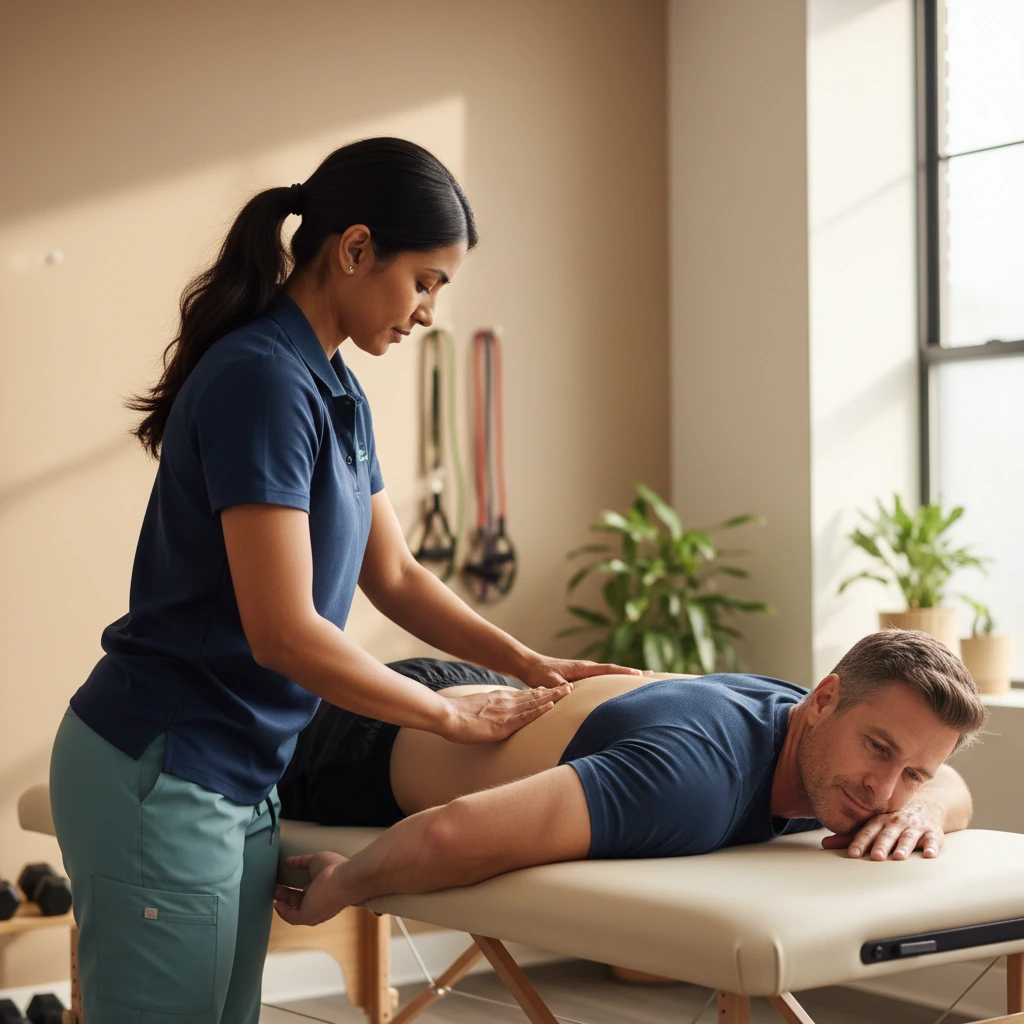
Focused Rehabilitation for Back Pain, Neck Pain, Sciatica, Disc Injuries, and Postural Overload
Spine rehab is a targeted approach to restoring motion, reducing pain, and rebuilding confidence when the cervical, thoracic, or lumbar spine is limiting how you sit, stand, walk, lift, sleep, or work. The goal is not just to calm symptoms, but to identify the mechanical and strength deficits that keep the problem active.
At Dynamic Physical Therapy, spine rehab is delivered one-on-one and built around how your symptoms behave in real life. We combine hands-on treatment, exercise progressions, movement retraining, and clear activity modification so your plan matches the way your spine actually responds - not a generic checklist.
We Treat the Movement Problem Behind the Pain
Spine pain usually involves more than one driver. We look at mobility, load tolerance, posture, nerve sensitivity, strength, and daily habits together so treatment solves the full picture.
Precise Movement Assessment
We identify which positions, motions, and loads actually provoke or calm your symptoms so treatment starts with the right clinical direction.
Hands-On Pain Relief
Manual therapy, soft tissue work, and mobility restoration help reduce guarding, improve segmental motion, and create room for exercise to work.
Core and Hip Support
Stronger trunk, hip, and lower-extremity control helps unload the spine during sitting, lifting, reaching, walking, and daily activity.
Graded Return to Function
We progress you back toward work, exercise, walking, driving, and daily life without the flare-ups that happen when loading jumps too fast.
When We Recommend a Spine Rehab Plan
Spine rehab is useful when symptoms clearly change with movement, posture, nerve tension, or loading - and when patients want to move better instead of just managing around the pain.

From Irritated and Guarded to Strong and Confident
Every spine plan is individualized, but we typically move through these phases as symptoms settle and control improves.
Reduce Irritation and Restore Directional Tolerance
We calm the acute driver first - whether that means extension tolerance, flexion tolerance, nerve unloading, or reducing protective spasm.
Restore Mobility Where It Has Been Lost
Once symptoms are less reactive, we improve spinal and adjacent joint motion so your body can move without compensating around the painful area.
Build Support and Endurance
Core, hip, trunk, and postural endurance work is layered in so the improvements hold up during real life and not just inside the clinic.
Return to Daily Activity, Work, and Exercise
We bridge you back to lifting, walking, sitting tolerance, workouts, travel, and the specific activities your spine needs to tolerate again.
Why Spine Rehab Changes Day-to-Day Life Quickly
Better Sitting and Standing Tolerance
Patients usually notice daily improvements first in commuting, desk work, sleep positions, and getting through the day with less guarding.
Less Flare-Up Fear
Once you understand which movements are safe and how to respond to warning signs, pain stops feeling random and starts feeling manageable.
A Stronger Return to Activity
We do not stop at pain relief. We build enough strength and control for your spine to tolerate the activities you actually want back.
Common Questions About Spine Rehabilitation
Can spine rehab help if my pain has been there for a long time?
Yes. Chronic spine pain often responds very well once the right loading strategy, movement corrections, and hands-on treatment are matched to the way your symptoms actually behave. Long-standing pain is usually more about the wrong plan than a lost cause.
Do I need imaging before starting spine rehab?
Not always. Many patients can begin rehab based on clinical assessment alone. If your presentation suggests a nerve issue, structural tear, or diagnostic uncertainty, we can help determine whether additional testing like EMG/NCS or musculoskeletal ultrasound is appropriate.
What if bending or sitting always makes my pain worse?
That pattern is common. We use it as useful information, not as a reason to avoid rehab. Your plan starts by calming the most sensitive movement direction, then gradually restores tolerance without forcing you through unnecessary flare-ups.
Can you help with both neck pain and low back pain at the same time?
Yes. Many patients arrive with a combined upper and lower spinal picture, especially after long periods of desk work, stress, or compensation from another injury. We prioritize the drivers, then build a plan that addresses the full chain.