Pickleball Rehab in Queens & Long Island
Rehabilitation and Court-Ready Conditioning for One of the Fastest-Growing Sports
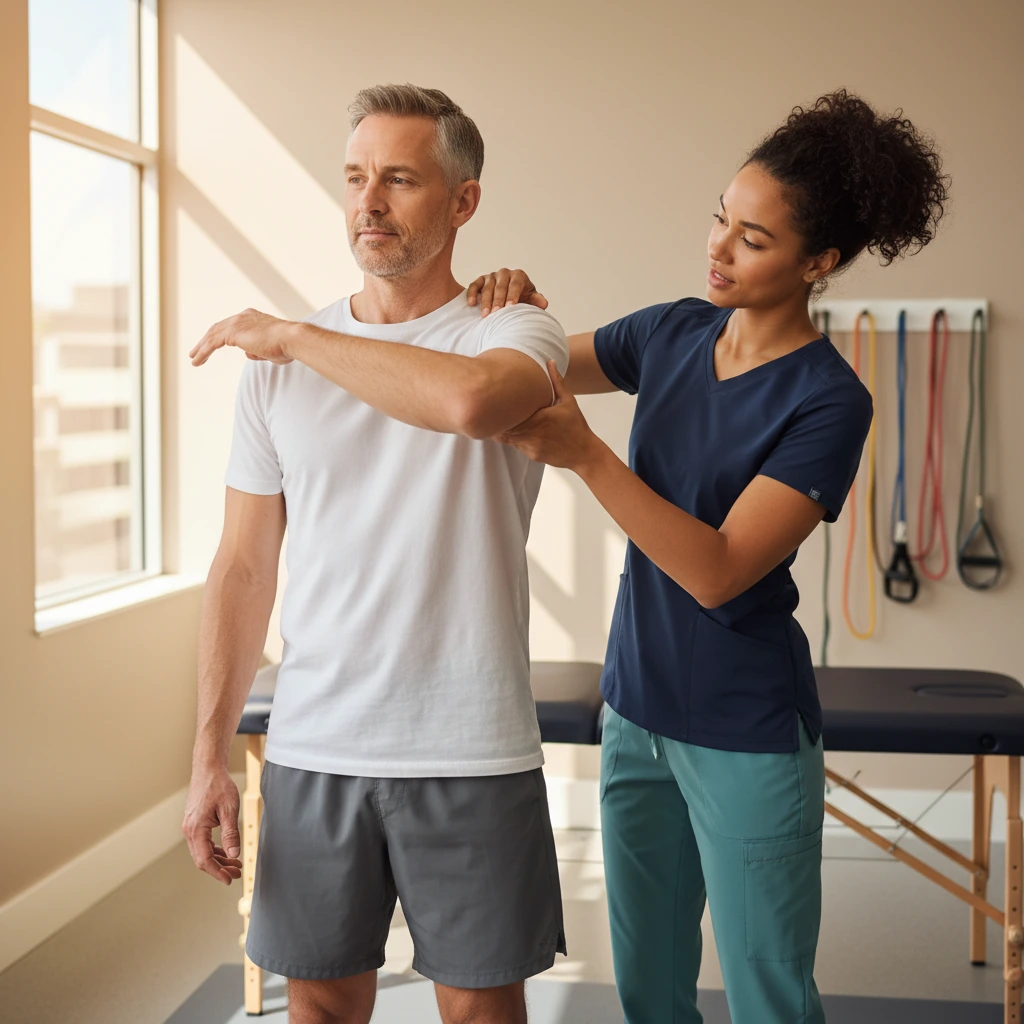
Pickleball may look low-impact, but it places repeated demand on the knees, hips, calves, feet, shoulders, elbows, and lower back. Quick starts and stops, wide lateral steps, lunging, overhead reaching, and repetitive paddle work can all expose strength and mobility gaps quickly.
At Dynamic Physical Therapy, pickleball rehab is not just a generic sports template. We treat the injury that brought you in, then rebuild the exact movement qualities the court demands - reaction time, directional change, deceleration, balance, paddle-side endurance, and confidence returning to play.
The Game Challenges More Than Just One Sore Body Part
Many players feel symptoms in one area, but the real driver often involves footwork, lateral loading, trunk rotation, balance, and recovery capacity all at once.
Lateral Movement Demands
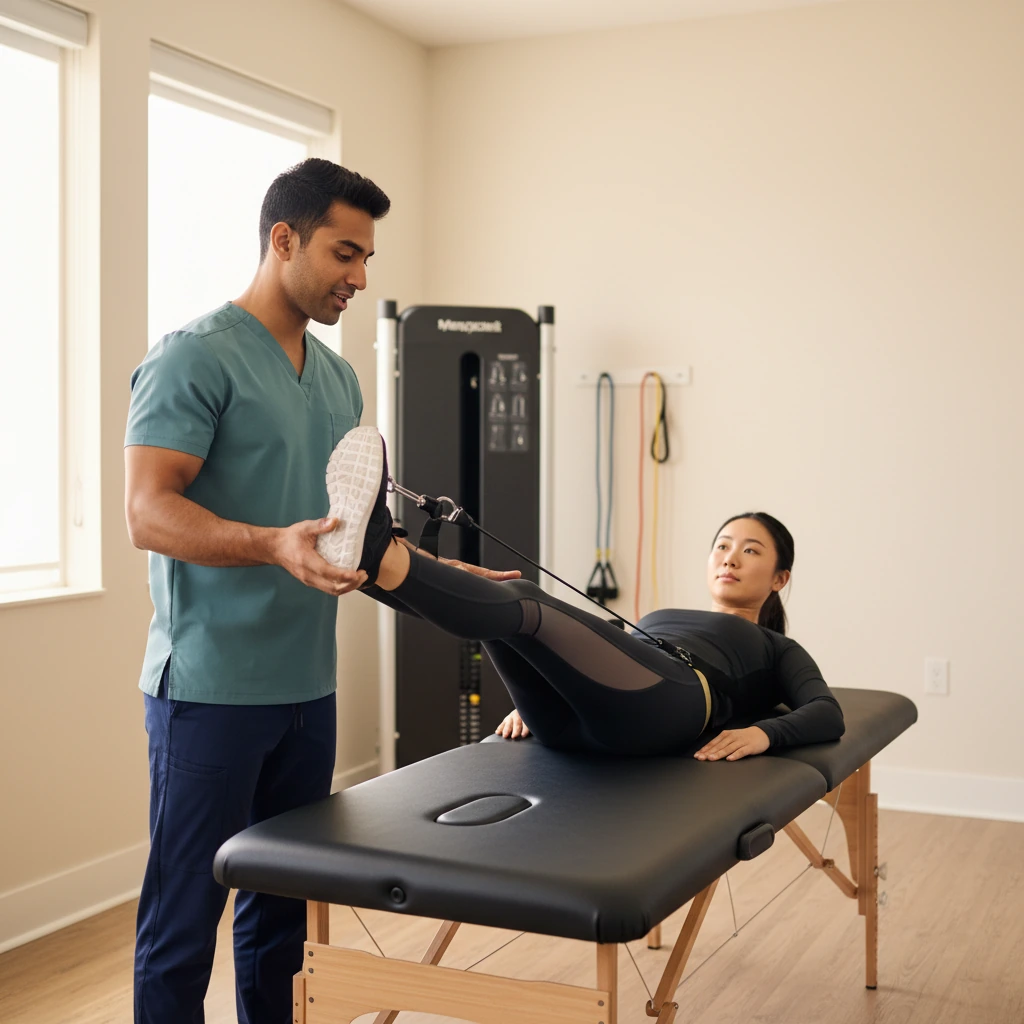
Pickleball asks your hips, knees, ankles, and feet to absorb fast side-to-side loads repeatedly, especially during reactive court coverage.
Repetitive Paddle-Side Load
Shoulder, elbow, wrist, and hand irritation often builds from repeated swings, quick reactions at the kitchen line, and overuse without enough recovery.
Conditioning Matters
Players often feel fine early, then symptoms spike when matches get longer, footwork gets sloppy, or fatigue starts changing movement quality.
Return-to-Court Has to Be Planned
We build toward actual court demands - not just pain-free walking or gym exercise - so your comeback is more durable and less guess-based.
Great for New Players, Competitive Players, and Returning Players
Pickleball rehab is useful both when you are recovering from a specific injury and when the game is simply exposing a weak link that keeps flaring up every time you play.
From Irritated Tissue to Confident Court Movement
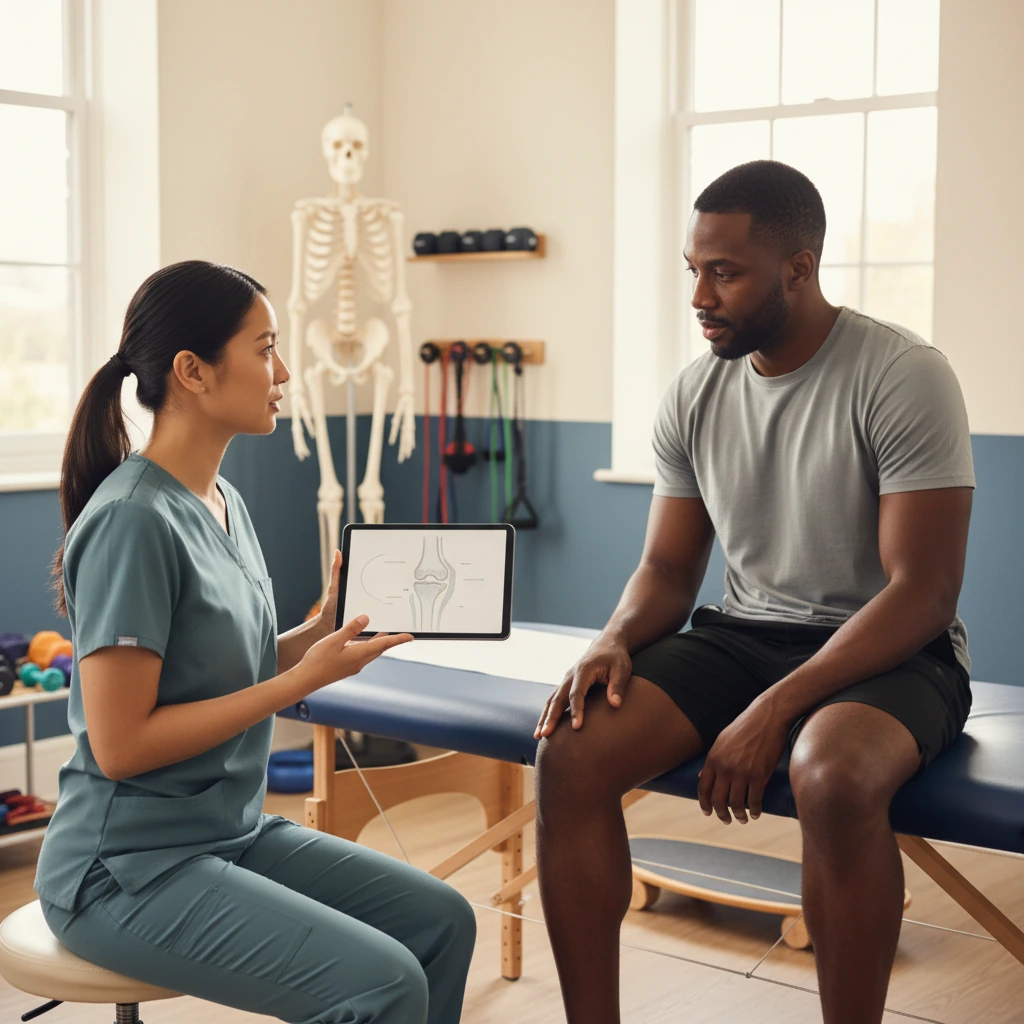
Pickleball rehab is usually staged so the body part calms down first, then the full court-demand picture is rebuilt around it.
Settle the Irritated Area
We reduce pain, swelling, and overload first so the tissue can tolerate better movement again without immediate flare-up.
Restore Mobility, Strength, and Control
We rebuild the motion, force production, and joint control needed for lunging, reaching, rotation, and repeated court positioning.
Add Reactive Footwork and Game-Like Conditioning
Later phases layer in higher-speed footwork, balance, reaction work, and endurance so your body can handle how pickleball is actually played.
Return to Practice, Play, and Competitive Volume
We bridge you back to court sessions, match load, and back-to-back play without guessing whether your body is ready.
Better Recovery, Better Movement, Better Confidence on Court
Cleaner Court Movement
We help players move more efficiently so they are not overloading the same joint every time the ball pulls them wide or forward.
Stronger Match-Endurance
Better conditioning and recovery capacity means you are less likely to break down late in sessions or after a busy week of play.
A Safer Return to Play
The goal is not just to feel fine in the clinic. It is to get back on court with a plan that makes recurring flare-ups less likely.
Common Questions About Pickleball Rehabilitation
What injuries do you see most often in pickleball players?
Common pickleball issues include knee pain, calf and Achilles overload, plantar pain, hip irritation, low back flare-ups, shoulder pain, tennis elbow-type symptoms, and wrist or hand overuse. The right plan depends on how you move and how often you play.
Can you help if I keep getting sore after matches but I am not seriously injured?
Yes. That is often the ideal time to intervene. Recurring soreness usually means a weak link in mobility, strength, balance, recovery habits, or court mechanics is being exposed before a larger injury happens.
Do you work on performance and conditioning too, or only rehab?
We do both. Once pain is controlled, we build toward better footwork, better endurance, cleaner change-of-direction control, and stronger return-to-play readiness so you are not just healed, but more prepared.
How do I know when I am ready to get back on the court?
We look at symptom response, joint tolerance, reaction and balance control, court-specific movement, and how your body handles increasing volume. Return is based on function, not just how you feel on one good day.