Queens & Long Island's Premier Physical Therapy | Serving Flushing, Glen Oaks, Hicksville, Massapequa & More
Conditions We Treat

Hip & Knee Pain Relief in Queens & Long Island
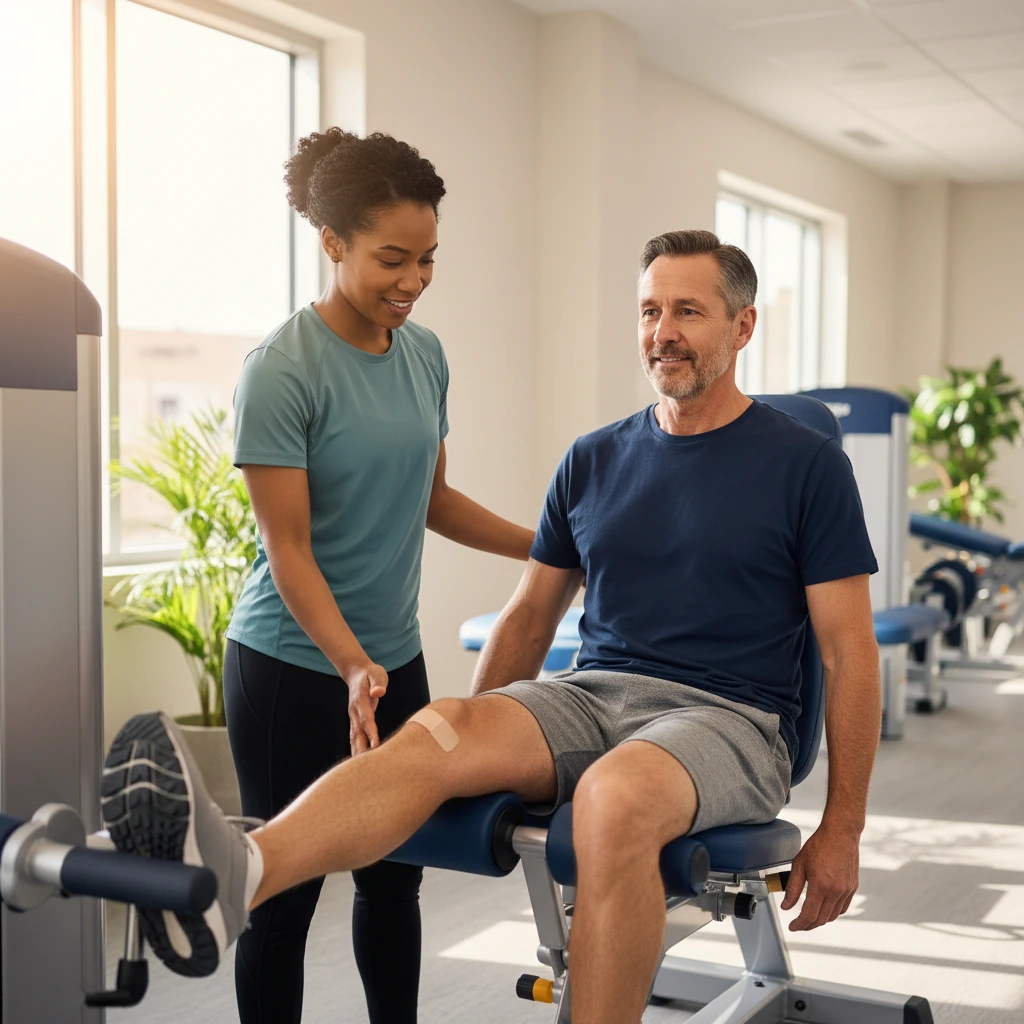
Physical therapist providing one-on-one treatment for hip and knee pain rehabilitation

Two of the Body's Most Load-Bearing Joints - and Two of the Most Commonly Undertreated

The hip and knee work as an interconnected kinetic chain, each depending on the other for proper alignment, load distribution, and movement mechanics. Weakness or dysfunction in the hip - such as poor glute activation or labral injury - is one of the most common yet overlooked causes of chronic knee pain. Treating either joint in isolation without addressing the full lower extremity chain often results in temporary relief followed by recurrence.

At Dynamic Physical Therapy, we evaluate and treat hip and knee conditions as part of the complete lower extremity system - using one-on-one hands-on care, in-clinic musculoskeletal ultrasound when indicated, and advanced manual therapy techniques to identify and resolve the true source of your pain. Our therapists hold orthopedic certifications far beyond minimum licensure, and our multilingual team across six Queens & Long Island locations is ready to help you move freely and confidently again.

Hip Pain & Knee Pain - Symptoms by Joint

Because the hip and knee are closely linked mechanically, symptoms from one often affect the other. Understanding the distinct presentations of each joint helps guide accurate diagnosis and targeted treatment.

Hip Pain

Groin, outer hip, buttock & radiating thigh symptoms

Groin or deep hip pain - aching or sharp pain in the front groin with walking, sitting, or pivoting; often indicates hip joint or labral pathology
Outer hip pain - pain over the lateral hip or greater trochanter, especially when lying on that side or climbing stairs; a hallmark of bursitis or gluteal tendinopathy
Buttock and deep gluteal pain - aching in the buttock that may radiate down the back of the thigh; associated with piriformis syndrome or sacroiliac dysfunction
Stiffness getting up from a chair - difficulty rising from seated, first steps in the morning being painful, and reduced hip internal rotation; common with hip osteoarthritis
Clicking or catching in the hip - a mechanical click or giving-way sensation with certain movements, suggestive of a labral tear or snapping hip syndrome
Pain radiating down the thigh to the knee - hip joint pathology frequently refers pain into the anterior thigh and knee, where it can be misdiagnosed as a primary knee problem

Knee Pain

Anterior, medial, lateral & posterior knee symptoms

Anterior knee pain - pain at the front or around the kneecap, especially going down stairs or hills; characteristic of patellofemoral pain syndrome or patellar tendinopathy
Inner (medial) knee pain - pain along the inside of the knee with activity; associated with medial meniscus tears, MCL sprain, or medial compartment arthritis
Outer (lateral) knee pain - sharp or burning pain along the outside of the knee, especially with running; the classic presentation of IT band syndrome
Swelling and joint effusion - visible puffiness around the knee joint after activity or injury, indicating inflammation, meniscal damage, or ligament injury
Locking, clicking, or giving way - a knee that catches, clunks, or buckles unexpectedly - hallmarks of meniscal tears, ligament laxity, or articular cartilage damage
Pain with full bending or straightening - difficulty achieving full flexion or extension, often with stiffness after rest; present in arthritis, meniscal tears, and post-surgical knees

Common Hip & Knee Conditions We Treat

Hip & Knee Osteoarthritis

Meniscus Tear

ACL / PCL / MCL Sprain or Tear

IT Band Syndrome

Patellofemoral Pain Syndrome

Hip & Knee Bursitis

Hip Labral Tear

Piriformis Syndrome

Patellar & Quadriceps Tendinopathy

Post-Surgical Rehabilitation (TKR / THR / ACL)

Hip Flexor & Glute Strain

Osgood-Schlatter & Growing Pains

How Dynamic PT Treats Hip & Knee Pain

We treat the full lower extremity kinetic chain - not just the joint in pain. Every plan addresses the root cause of your symptoms with a combination of hands-on therapy, targeted strengthening, and movement retraining.

Hip & Knee Joint Mobilization

Hands-on manual therapy applied directly to the hip and knee joints to restore normal joint mechanics, reduce pain, improve range of motion, and decompress arthritic or impinged joint surfaces - producing measurable improvements often from the very first session.

Hip Strengthening & Glute Activation

Targeted activation and progressive strengthening of the gluteus medius, gluteus maximus, hip external rotators, and core - addressing the proximal weakness that drives patellofemoral pain, IT band syndrome, and many chronic knee problems that originate at the hip.

Myofascial Release & Soft Tissue Therapy

Targeted manual techniques to release restrictions in the IT band, TFL, piriformis, hip flexors, quadriceps, and hamstrings - reducing the muscle tension that alters joint loading patterns and perpetuates both hip and knee pain.

Gait Analysis & Movement Retraining

Systematic assessment of your walking and movement mechanics to identify the biomechanical faults - such as knee valgus, hip drop, or over-striding - that place excessive load on painful structures, and targeted retraining to correct them.

Musculoskeletal Ultrasound Diagnostics

In-clinic MSKUS imaging to visualize tendon pathology, joint effusion, bursitis, and soft tissue injuries in real time - confirming your diagnosis on the spot so treatment is targeted from day one rather than based on estimated findings.

Kinesio Taping, Cupping & Proprioceptive Training

Kinesio taping to offload painful structures and improve patellar tracking, cupping to address deep fascial restrictions, and neuromuscular proprioception exercises to restore the joint position sense that is often disrupted by injury or surgery.

What to Expect from Your First Visit

1

Full Lower Extremity Evaluation

Your therapist assesses the hip and knee together - testing joint range of motion, ligament stability, muscle strength, gait mechanics, and movement quality - to identify the true source of your pain, which isn't always where it hurts most.

2

In-Clinic Imaging When Needed

If suspected tendinopathy, bursitis, or soft tissue injury warrants confirmation, we can perform musculoskeletal ultrasound in-clinic - getting you a precise diagnosis without waiting days for outside imaging.

3

One-on-One Treatment Every Session

Every appointment is dedicated time with your licensed therapist - no shared gym floor, no aides, no rotating staff. Your plan is personalized to your exact diagnosis and progressed systematically at every visit.

4

Home Program & Activity Guidance

You'll receive a targeted home exercise program and clear guidance on which activities are safe to continue versus which to modify - keeping you active and progressing between sessions without risking setbacks.

5

Return to Full Activity & Long-Term Prevention

We discharge you with the strength, movement quality, and knowledge to protect your hip and knee for the long term - whether you're returning to sport, work, or simply want to walk, climb stairs, and exercise without pain.
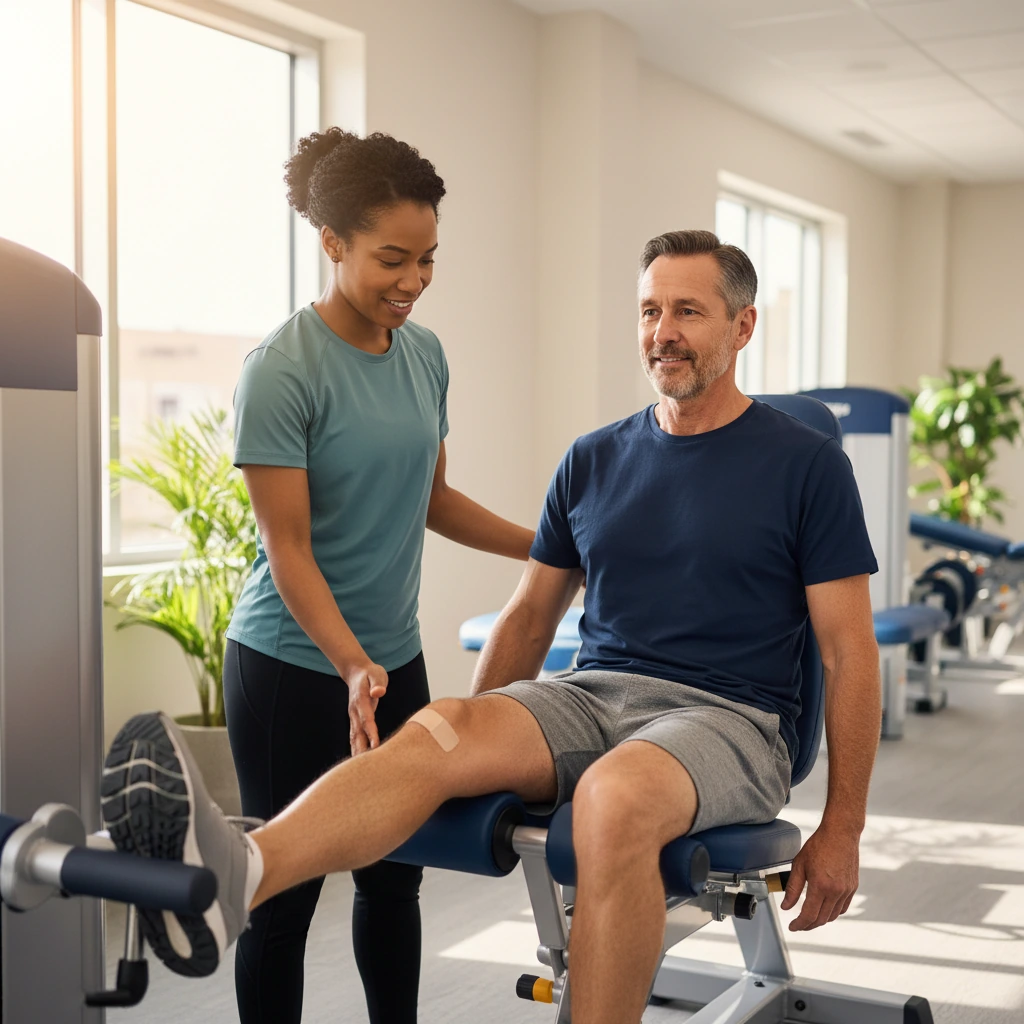
Clinician coaching a patient through personalized hip and knee rehabilitation exercises

Benefits of PT for Hip & Knee Pain

Delay or Avoid Surgery

Many hip and knee conditions - including meniscal tears, hip labral tears, and early osteoarthritis - respond extremely well to PT. Delaying or avoiding surgery means avoiding its risks, recovery period, and cost.

Walk Without Pain

Restore the ability to walk, climb stairs, and move freely through your day - without the constant awareness of pain, stiffness, or the need to protect a hurting joint with every step.

Drug-Free Relief

Hands-on treatment and exercise therapy reduce inflammation and pain at the source - offering lasting relief without the gastrointestinal, cardiovascular, and dependency risks of long-term pain medication use.

Prevent Progression

Addressing hip and knee conditions early prevents compensatory movement patterns from developing - patterns that inevitably overload other joints and create secondary problems throughout the body.

Hip & Knee Pain Relief FAQs

Can physical therapy help knee pain caused by arthritis?

Yes - exercise therapy and manual therapy are among the most evidence-supported interventions for knee osteoarthritis, consistently shown to reduce pain and improve function at least as effectively as surgery for many patients. PT addresses the muscle weakness and movement dysfunction that accelerate cartilage loading, and joint mobilization can significantly improve pain and range of motion. Many patients with moderate-to-severe knee OA achieve substantial functional improvement without requiring replacement surgery, or are better prepared for surgery if it is ultimately needed.

I have a meniscus tear. Do I need surgery or can PT help?

For the majority of meniscal tears - particularly degenerative tears in adults over 35 - physical therapy produces outcomes equal to or better than surgery. Multiple high-quality clinical trials have shown that supervised exercise therapy is as effective as arthroscopic partial meniscectomy for most patients with degenerative meniscal tears and no mechanical locking symptoms. Our therapists will evaluate your specific tear pattern, symptom presentation, and activity goals to give you an honest assessment of whether PT alone is likely to achieve the outcome you need.

My knee hurts more when going down stairs than up. Why?

Pain that's worse going downstairs than upstairs - especially around the kneecap - is one of the classic presentations of patellofemoral pain syndrome (PFPS), also called "runner's knee." Descending stairs increases the compressive force on the patellofemoral joint significantly more than ascending. PFPS is almost always driven by hip weakness, poor quadriceps-to-VMO activation balance, and foot/ankle mechanics - not by a structural problem in the knee itself. PT addressing hip strength and movement retraining is the most effective treatment and produces durable results.

Can hip problems cause knee pain?

Absolutely - and this is one of the most commonly missed connections in lower extremity pain. Weak hip abductors and external rotators cause the knee to collapse inward (valgus) during walking, running, and stair climbing, creating excessive compressive and shear forces on the medial knee and patellofemoral joint. Hip joint pathology - including labral tears and early arthritis - also frequently refers pain down into the anterior thigh and knee. At Dynamic PT, we always evaluate the hip as part of any knee pain assessment, because treating the knee in isolation without addressing contributing hip dysfunction rarely produces lasting results.

How long does recovery from an ACL injury take with physical therapy?

For non-surgical ACL management - appropriate for some patients, particularly less active individuals - PT aims to restore full function through aggressive neuromuscular training and strengthening over 3 - 6 months. For post-ACL reconstruction, the rehabilitation timeline is typically 9 - 12 months for return to pivoting sport, with PT progressing through distinct phases: early swelling control and range of motion, then progressive strengthening, then neuromuscular retraining, and finally sport-specific training with objective criteria-based return-to-sport testing. Our therapists follow evidence-based ACL protocols and communicate with your surgeon throughout.

What is IT band syndrome and can PT fix it?

IT band syndrome (ITBS) is a repetitive overuse injury causing sharp lateral knee pain, most commonly in runners and cyclists. Despite popular belief, the IT band itself is rarely the problem - the real cause is typically weakness in the hip abductors and gluteus medius, causing excessive hip adduction that compresses the IT band against the lateral femoral condyle. PT that focuses on hip strengthening, running mechanics, and load management is highly effective for ITBS, with most patients resolving symptoms within 4 - 8 weeks. Stretching the IT band in isolation - the most common self-treatment - addresses neither the cause nor the mechanism.

Is hip and knee PT covered by insurance?

Physical therapy for hip and knee conditions is covered by most major insurance plans including Medicare, Medicaid, No-Fault, Workers' Compensation, and commercial insurers. At Dynamic Physical Therapy, we verify your complete insurance benefits before your first appointment so you know exactly what is covered and what your out-of-pocket responsibility will be - with no billing surprises. Call us at (718) 826-3200 and our team will handle verification for you before you commit to anything.
Therapist helping a patient during a physical therapy session

Ready to Get Started? Schedule Your Visit Today.

Whether you're dealing with chronic pain, recovering from surgery, or managing a new injury, our team is ready to help. We offer complimentary assessments at all six of our locations across Queens and Long Island. A licensed therapist will review your symptoms, perform a movement screen, and give you a clear direction at no cost and with no pressure.