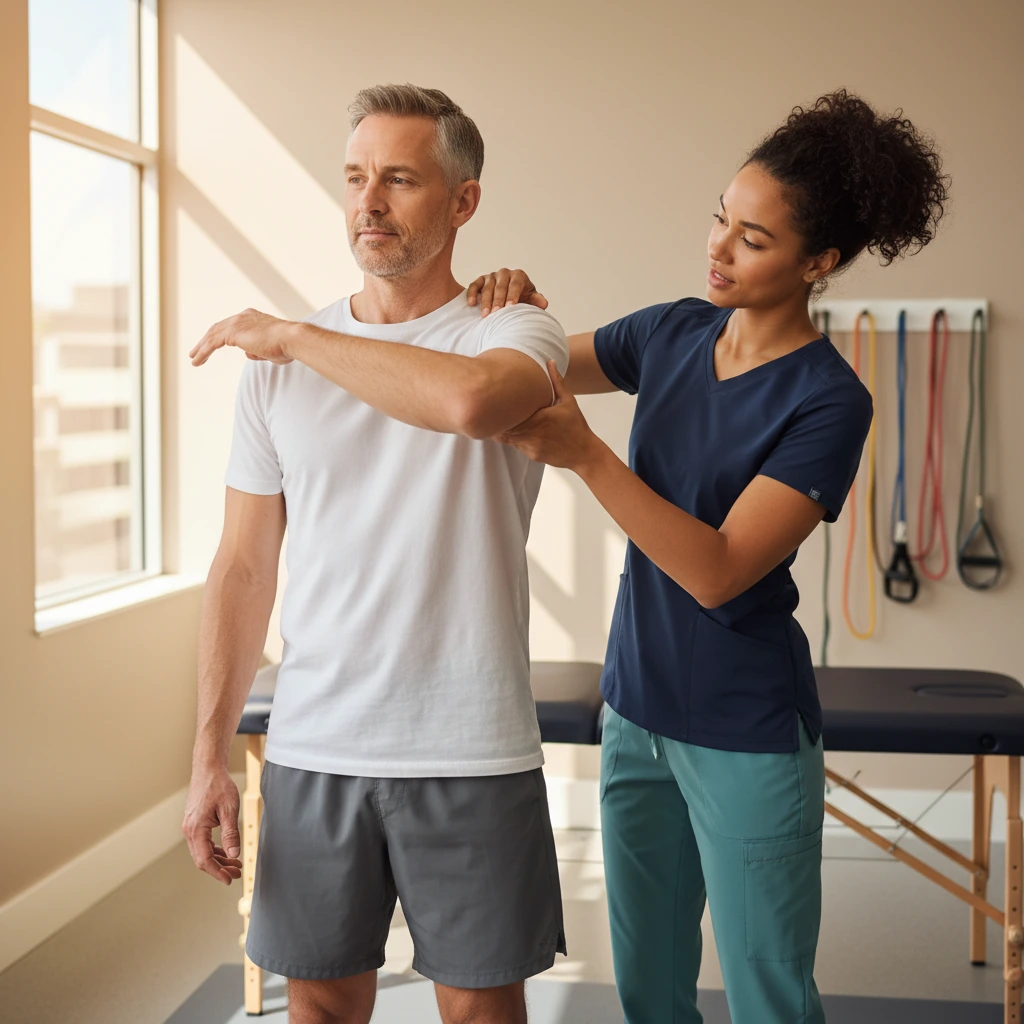
Sports Injury Treatment & Rehabilitation in Queens & Long Island
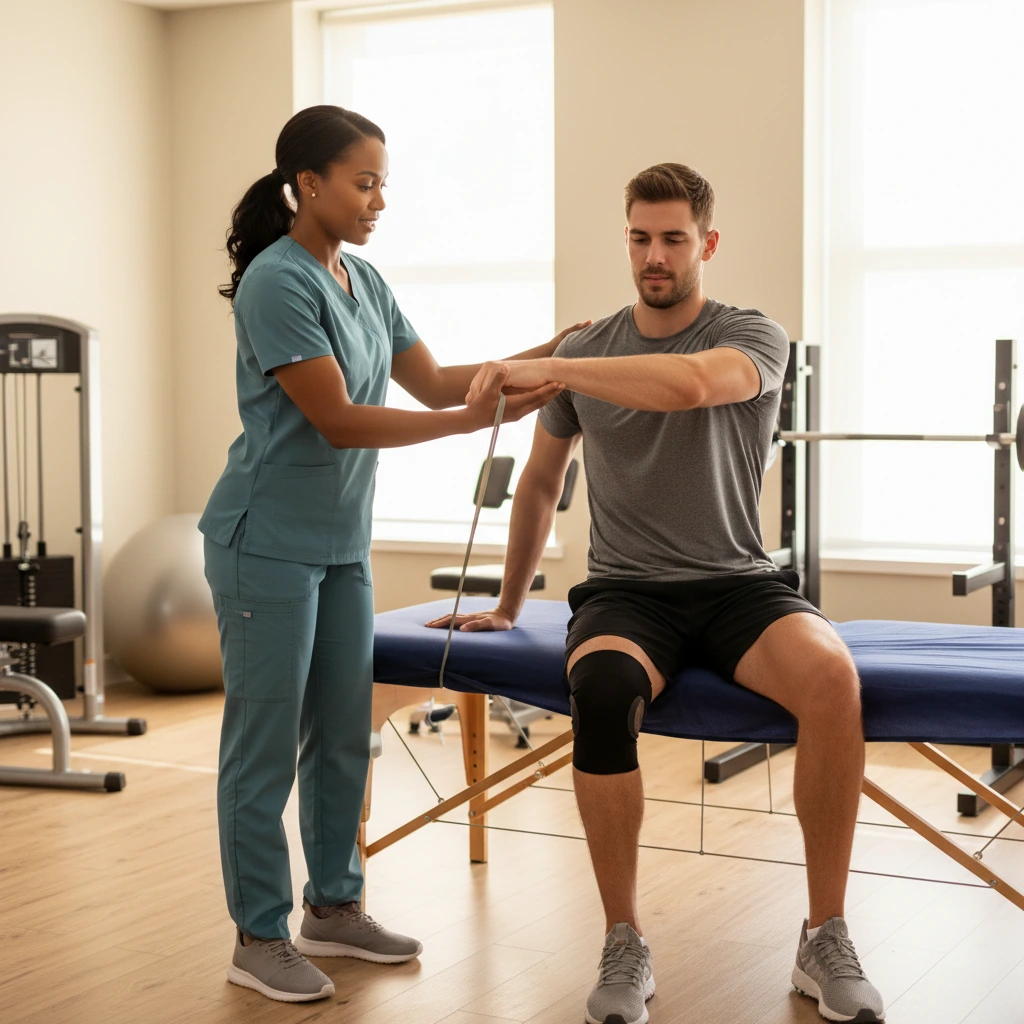
Get Back to the Sport You Love - Faster, Stronger, and With Less Risk of Re-Injury
Sports injuries are not just painful - they're frustrating. Whether you're a competitive athlete, a weekend warrior, or someone who simply stays active, losing the ability to do what you love because of an injury is genuinely difficult. And how your injury is managed in the first weeks matters enormously for how completely and quickly you recover.
At Dynamic Physical Therapy, we treat athletes and active patients of all levels across our six Queens & Long Island locations - using in-clinic musculoskeletal ultrasound and EMG/NCS diagnostics, advanced one-on-one manual therapy, and sport-specific rehabilitation to get you back to full activity as efficiently as possible. We don't just treat the injury - we identify the movement patterns, form errors, and biomechanical contributors that caused it, so you don't go back and do the same thing again.
Athletes & Active People at Every Level
Sports injuries don't discriminate by age or skill level. We treat everyone - from youth athletes to Masters competitors, from recreational gym-goers to professional players - with the same one-on-one, individualized care.
Runners & Cyclists
IT band, plantar fasciitis, stress fractures, patellofemoral pain, Achilles tendinopathy, and knee overuse injuries from high training loads.
Court & Field Sports
ACL and meniscus injuries, ankle sprains, shoulder dislocations, and lower extremity muscle strains from basketball, soccer, football, and tennis.
Gym & CrossFit Athletes
Rotator cuff impingement, lower back pain from lifting, wrist and elbow injuries, and the overuse patterns common in high-frequency strength training.
Golf, Tennis & Racquet Sports
Golfer's and tennis elbow, rotator cuff pathology, lumbar rotation strain, and wrist injuries driven by swing mechanics and repetitive loading.
Swimmers & Water Sports
Swimmer's shoulder (rotator cuff impingement), knee breaststroke injury, and the repetitive overhead strain patterns unique to competitive swimming.
Youth & High School Athletes
Osgood-Schlatter, growth plate injuries, ACL prevention programs, and sport-specific rehabilitation for student athletes balancing school and competition.
Weekend Warriors
The recreational athletes whose training load, form, or preparation led to the injury that brought them in - and who deserve just as thorough a recovery as any professional.
Masters & Competitive Athletes
Athletes returning to competition after injury who need criteria-based return-to-sport testing - not just pain resolution - before they step back on the field or platform.
Sports Injury Presentations We Diagnose & Treat
Every sports injury has a mechanism, a tissue involved, and a phase of healing - and all three determine the optimal treatment approach. Getting the diagnosis right from the start is the single most important factor in how quickly and completely you recover.

Sports Injuries We Treat Across All Sports & Joints
ACL Tear & Reconstruction Rehab
Meniscus Tear
Rotator Cuff Tear & Impingement
Ankle Sprain & Instability
Tennis & Golfer's Elbow
Achilles Tendinopathy & Rupture
Plantar Fasciitis & Runner's Heel
IT Band Syndrome
Patellofemoral Pain (Runner's Knee)
Hip Labral Tear & FAI
Stress Fracture
Hamstring & Quadriceps Strain
Shoulder Dislocation & Labral Tear
Concussion & Return to Play
Hip & Knee Bursitis
Groin & Hip Flexor Strain
How Dynamic PT Treats Sports Injuries
Sports rehab at Dynamic PT goes beyond resting the injury - we identify what caused it, treat it precisely, and rebuild the strength and movement quality that prevents it from happening again.
MSKUS & EMG/NCS Diagnostics
In-clinic musculoskeletal ultrasound to visualize tendon integrity, ligament status, and soft tissue pathology in real time - confirming the diagnosis on the spot rather than waiting for outside imaging, so treatment is targeted from day one.
Manual Therapy & Joint Mobilization
Hands-on joint mobilization, soft tissue work, and neural mobilization to restore normal joint mechanics, reduce pain and swelling, and address the cervical, thoracic, or hip dysfunction that contributes to many upper and lower extremity sports injuries.
Myofascial Release & Trigger Point Therapy
Targeted release of the myofascial restrictions and trigger points that develop in response to athletic overload and injury - reducing referred pain, restoring tissue extensibility, and improving the movement quality that injury protection requires.
Sport-Specific Strength & Power Rehab
Progressive exercise programs that rebuild strength, power, and neuromuscular control specific to your sport's demands - not generic gym exercises, but movement patterns and loading profiles matched to what your body actually needs to do when you return to play.
Biomechanical Analysis & Movement Correction
Systematic assessment of the movement patterns, technique errors, and training habits that caused or contributed to the injury - with targeted movement retraining that reduces re-injury risk before you return to full training loads.
Kinesio Taping, ALTER G & Load Management
Adjunct tools to support injured structures, reduce impact loading, and facilitate earlier return to modified activity - including Kinesio taping and body-weight-supported ALTER G treadmill work alongside a structured load management plan that lets healing progress without fully shutting training down.
How Sports Injury Rehab Progresses
Every sports injury heals through predictable biological phases - and the treatment at each phase must match what the tissue can tolerate. Progressing too fast risks re-injury. Progressing too slowly leaves you out longer than necessary.
Control swelling and pain, protect the injured tissue, maintain joint mobility within safe limits, and begin gentle muscle activation to prevent atrophy - while the inflammatory healing response does its necessary work.
Restore full pain-free range of motion, begin progressive loading of healing tissue, address scar tissue formation, and rebuild the initial strength and proprioception losses from the injury and early rest period.
Progressive resistance training matched to sport demands, cardiovascular conditioning, neuromuscular control, and movement pattern correction - rebuilding the physical capacity needed for return to training.
Sport-specific movement testing, agility and plyometric training, and objective criteria-based return-to-sport clearance - not time-based guesswork, but measurable evidence that the injured tissue and the surrounding kinetic chain are ready.
What to Expect from Your First Visit
Sports-Specific Injury Evaluation
Your therapist assesses the injured structure, your movement patterns, strength imbalances, and sport demands - building a complete clinical picture that includes not just the injury but what caused it.
In-Clinic Imaging When Needed
Musculoskeletal ultrasound to confirm tendon, ligament, or soft tissue status on the spot - so your rehabilitation plan is based on objective findings, not estimated severity.
One-on-One Treatment Every Session
Every visit is dedicated time with your licensed therapist - never shared with other patients. Sports rehab requires ongoing clinical judgment to progress loads safely, which only individualized sessions can provide.
Home Program & Training Modification
You receive a targeted home exercise program and clear guidance on what you can continue doing in training versus what to modify - keeping you as active as possible while protecting the healing tissue.
Criteria-Based Return to Sport
We clear you to return to full training and competition based on objective performance criteria - not just the calendar - ensuring you go back when your body is genuinely ready, not just when the pain has gone.
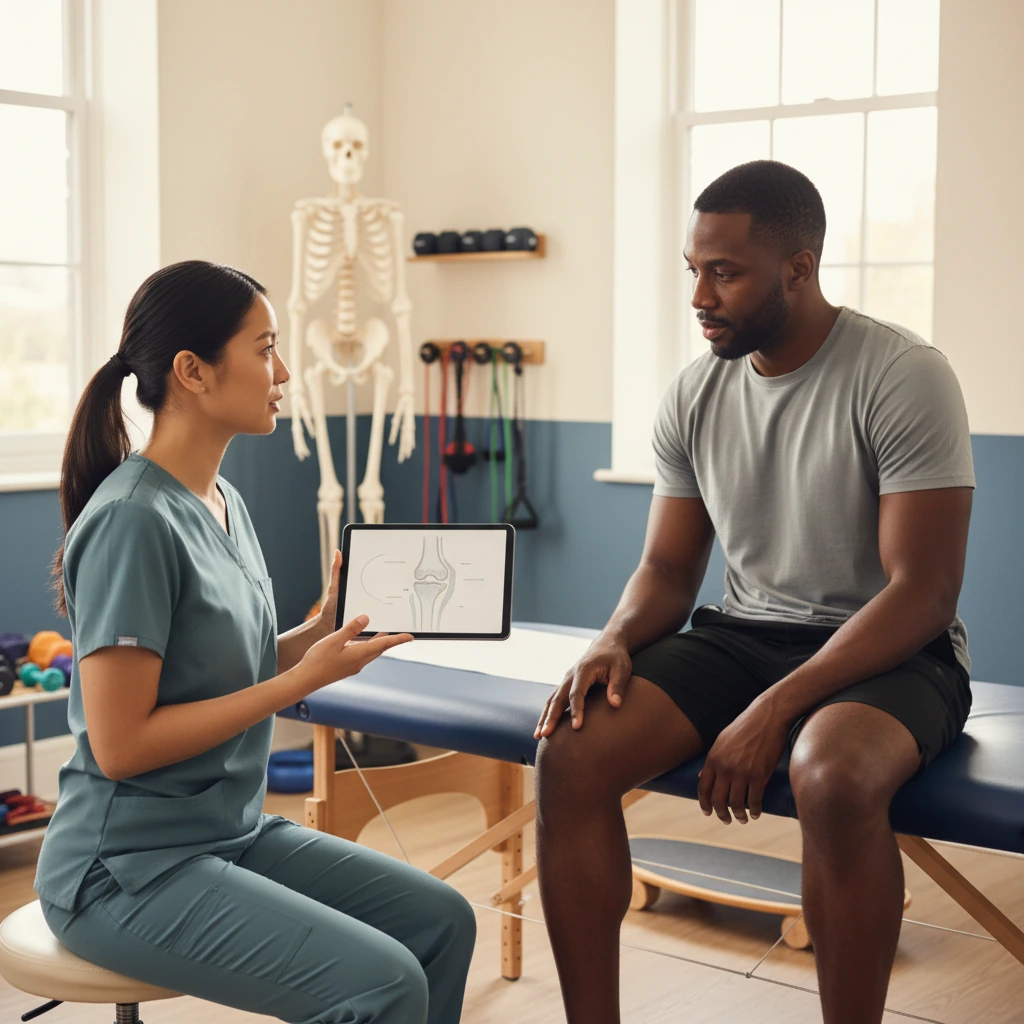
What Sets Our Sports Rehab Apart
Faster Return to Play
Early, accurate diagnosis and phase-appropriate treatment consistently produces faster return to sport than rest alone - often cutting recovery time significantly when PT begins promptly after injury.
Lower Re-Injury Risk
By correcting the biomechanical faults, training errors, and strength imbalances that caused the injury, we dramatically reduce the risk of the same injury recurring when you return to sport.
Diagnosis-Driven Treatment
Our in-clinic MSKUS and EMG/NCS diagnostics mean we treat what's actually wrong - not our best guess - from the very first session. That precision changes outcomes.
Performance Built In
Return-to-sport programs include sport-specific movement retraining and performance work - so you come back not just healed, but stronger and better-moving than before the injury.
Sports Injury PT FAQs
Should I rest or start PT right away after a sports injury?
For most soft tissue sports injuries, early supervised physical therapy consistently produces better outcomes than rest alone. Complete rest leads to muscle atrophy, loss of proprioception, and scar tissue formation that make the eventual return to sport harder and slower. We begin treatment in the acute phase with appropriate protection and gentle mobility - maintaining as much function as possible while the tissue heals, rather than starting from a deconditioned baseline weeks later. The exceptions are acute fractures or surgical repairs, where your surgeon's protocol determines the timeline.
How long until I can return to my sport?
Return-to-sport timelines vary significantly by injury type and severity. Mild ankle sprains may resolve in 2 - 4 weeks. Hamstring strains typically take 4 - 8 weeks. Rotator cuff injuries range from 6 - 16 weeks depending on severity and whether surgical repair was needed. ACL reconstruction typically requires 9 - 12 months for safe return to pivoting sport. At your evaluation, your therapist will give you a realistic evidence-based prognosis - and critically, we use objective return-to-sport criteria rather than time alone to determine when you're genuinely ready to go back.
Can PT help prevent sports injuries, not just treat them?
Yes - and this is one of the most underutilised applications of sports PT. A movement screen and strength assessment before injury can identify the biomechanical risk factors - hip weakness, ankle instability, poor landing mechanics, asymmetric strength - that predict future injury. ACL prevention programs, for example, have strong evidence for significantly reducing ACL injury rates in female athletes. If you're returning from a previous injury, heading into a heavy training block, or simply want to know if your body has any weak links worth addressing, a pre-season or post-season PT screen is one of the smartest investments you can make in your athletic longevity.
Can ALTER G training help me return to running or sport sooner?
Yes - when it matches the injury and healing stage. Body-weight-supported ALTER G training lets us reduce the percentage of load going through the injured leg while preserving gait mechanics, conditioning, and confidence. That is especially useful for runners, post-operative athletes, bone stress injuries, and lower-extremity tendon problems where full-impact running would be too aggressive too soon. We use it as a bridge - not a shortcut - so you progress back to full loading with better mechanics and less setback risk.
I've been told I need surgery for my sports injury. Should I do PT first?
In many cases, yes - and for some injuries (like partial meniscal tears, partial rotator cuff tears, and many hip labral tears), PT may ultimately eliminate the need for surgery entirely. For injuries where surgery is genuinely indicated, completing a prehab program first consistently produces better post-surgical outcomes - entering the operating room stronger means recovering faster afterward. We work closely with the leading orthopedic surgeons in Queens and Long Island and can help you navigate whether conservative management or surgical referral is the most appropriate path for your specific injury.
Do I need a referral from my doctor to start sports PT?
In New York, patients can access physical therapy directly without a physician's referral for an initial evaluation and the first 10 visits. After that, most insurance plans require a physician's prescription for continued coverage. If you don't yet have a referral, come in and we'll evaluate you - and we can help you coordinate with a physician to ensure coverage continues uninterrupted. For Workers' Compensation or No-Fault sports-related injuries, separate rules apply and we'll walk you through those specifically.
Is sports injury PT covered by insurance?
Physical therapy for sports injuries is covered by most major insurance plans including Medicare, Medicaid, and commercial insurers when medically necessary. Workers' Compensation covers work-related sports injuries, and No-Fault covers injuries sustained in auto accidents. At Dynamic Physical Therapy, we verify your complete benefits before your first appointment. Call us at (516) 661-9880 and our team will confirm your coverage so you can focus on getting better.