Queens & Long Island's Premier Physical Therapy | Serving Flushing, Glen Oaks, Hicksville, Massapequa & More
Conditions We Treat

Shoulder Pain Relief & Treatment in Queens & Long Island
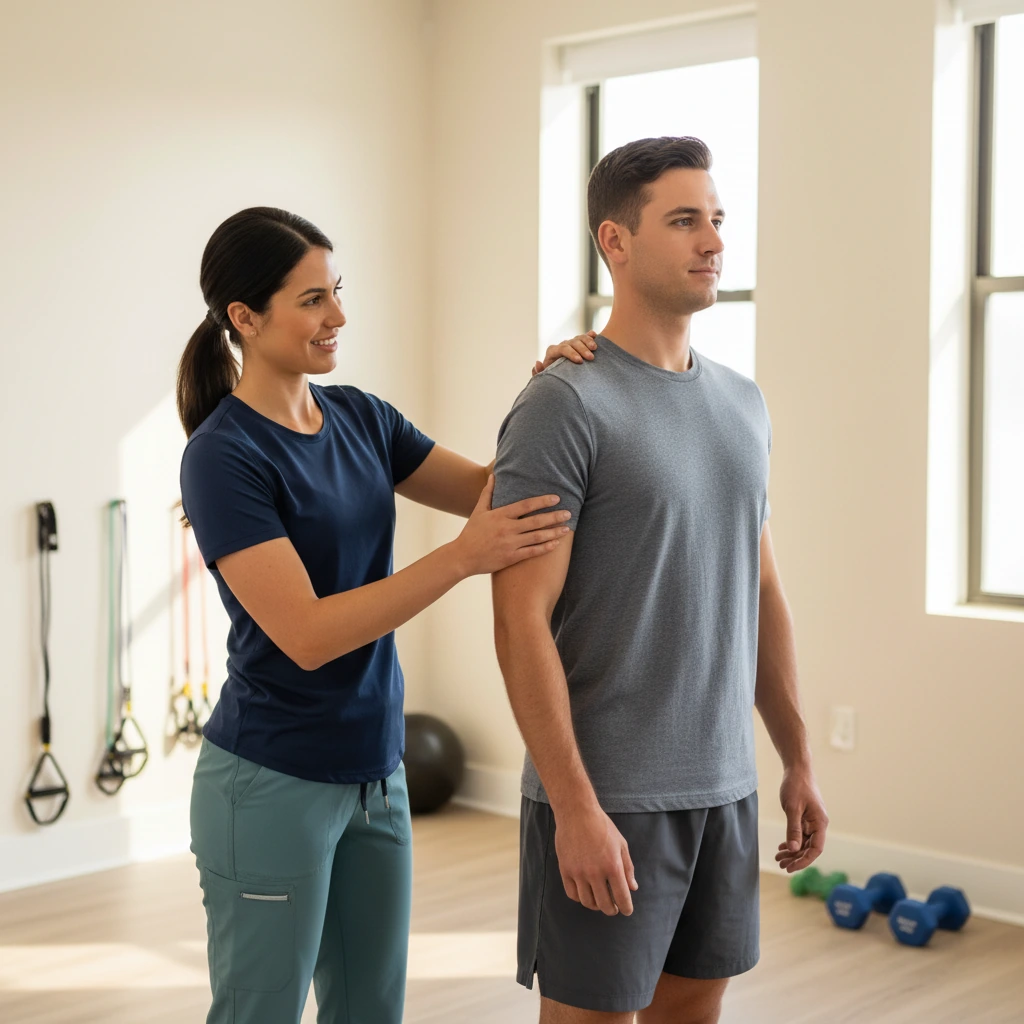
Physical therapist treating a patient's shoulder pain with manual therapy in Queens

The Shoulder Is the Most Mobile Joint in Your Body - and That Makes It the Most Vulnerable

Unlike the deep socket of the hip, the shoulder joint is designed like a golf ball sitting on a shallow tee - giving it extraordinary range of motion at the cost of inherent stability. That stability relies almost entirely on the rotator cuff muscles, surrounding tendons, ligaments, and the labrum. When any one of these structures is strained, torn, impinged, or inflamed, the consequences can be immediate and deeply limiting.

At Dynamic Physical Therapy, we treat shoulder pain with precision - starting with an accurate diagnosis, often confirmed with in-clinic musculoskeletal ultrasound, and delivering one-on-one hands-on treatment tailored to exactly what's wrong. Whether you're struggling to lift your arm overhead, unable to sleep on one side, or recovering from shoulder surgery, our therapists hold advanced orthopedic certifications and use techniques that go far beyond standard PT - to get you back to full function as quickly and safely as possible across our six Queens & Long Island locations.

Shoulder Pain Symptoms - What the Pain Pattern Tells Us

Shoulder pain rarely stays isolated to the joint itself. Depending on the underlying cause, symptoms can radiate into the upper arm, elbow, and hand, or refer pain up into the neck. The specific pattern - when it hurts, what movements trigger it, and where it radiates - gives our therapists critical diagnostic information before treatment even begins.

Pain with overhead reaching - difficulty lifting the arm above shoulder height, reaching into a cabinet, or raising the arm forward or sideways
Night pain and sleep disruption - an inability to sleep on the affected side is one of the most common and functionally disabling symptoms, particularly with rotator cuff pathology
Pain with reaching behind the back - difficulty with daily activities like fastening a bra, tucking in a shirt, or reaching into a back pocket
Catching, clicking, or grinding - mechanical sounds or sensations with shoulder movement, often indicating labral tears, articular cartilage damage, or impingement
Weakness with pushing or pulling - reduced strength lifting groceries, pushing open a door, or performing any pressing movement - a hallmark of rotator cuff involvement
Stiffness and severely limited motion - progressive restriction of shoulder movement in all directions, characteristic of adhesive capsulitis (frozen shoulder)
Pain radiating into the upper arm or elbow - dull, aching referred pain down the outer arm, common with rotator cuff tears, impingement, and shoulder bursitis
Instability or a feeling of "giving way" - the sense that the shoulder might slip out of place, especially with overhead or throwing motions - associated with labral tears or prior dislocation
Patient with shoulder pain during a physical therapy evaluation at Dynamic Physical Therapy

Common Shoulder Conditions We Treat

Rotator Cuff Tear (Partial & Full)

Shoulder Impingement Syndrome

Frozen Shoulder (Adhesive Capsulitis)

Shoulder Bursitis

Labral Tear (SLAP & Bankart)

Shoulder Dislocation & Instability

AC Joint Sprain & Separation

Shoulder Arthritis (OA & RA)

Rotator Cuff Tendinopathy

Post-Surgical Shoulder Rehab

Auto Accident Shoulder Injury

Biceps Tendon Pathology

How Dynamic PT Treats Shoulder Pain

The shoulder's complexity demands an equally thorough treatment approach. We combine hands-on manual therapy, diagnostic precision, and progressive rehabilitation to restore full, pain-free shoulder function - without relying on surgery or long-term medication.

Shoulder & Thoracic Manual Therapy

Hands-on joint mobilization of the glenohumeral joint, AC joint, scapulothoracic complex, and upper thoracic spine - restoring normal shoulder mechanics, reducing impingement, and improving range of motion often in the very first session.

Rotator Cuff & Periscapular Strengthening

A progressive, individualized exercise program targeting the rotator cuff, lower trapezius, serratus anterior, and rhomboids - restoring the dynamic shoulder stability that prevents impingement, protects repairs, and ensures long-term function.

Musculoskeletal Ultrasound Diagnostics

In-clinic MSKUS imaging to visualize rotator cuff integrity, tendon pathology, bursal inflammation, and joint effusion in real time - allowing us to confirm your diagnosis and tailor your treatment plan with evidence, not estimation.

Frozen Shoulder Mobilization Protocol

A specialized, phase-based mobilization program for adhesive capsulitis - combining progressive capsular stretching, glenohumeral joint mobilization, and graded exercise to restore motion in all planes and break the cycle of stiffness.

Myofascial Release & Trigger Point Therapy

Targeted manual therapy to the rotator cuff muscles, pectorals, upper trapezius, and infraspinatus - releasing the fascial restrictions and trigger points that contribute to shoulder pain, referred arm pain, and limited internal rotation.

Kinesio Taping, Cupping & Scapular Retraining

Adjunct techniques including Kinesio taping to support the rotator cuff and correct scapular position, cupping to address deep fascial restrictions, and movement retraining to restore proper scapulohumeral rhythm - the fundamental movement pattern for a pain-free shoulder.

What to Expect from Your First Visit

1

Comprehensive Shoulder Evaluation

Your therapist assesses active and passive range of motion, rotator cuff strength, shoulder blade mechanics, impingement tests, instability testing, and cervical screening - building a complete diagnostic picture before any treatment begins.

2

In-Clinic Ultrasound Imaging (If Indicated)

For suspected rotator cuff tears, tendinopathy, bursitis, or other structural pathology, we can perform musculoskeletal ultrasound on the spot - confirming your diagnosis with real-time imaging during your very first session.

3

Personalized, One-on-One Treatment

Every session is dedicated, individual time with your licensed therapist - never shared with another patient, never delegated to an aide. Your treatment plan is designed specifically for your diagnosis and adjusted at every visit.

4

Home Program & Activity Modification

You'll receive targeted home exercises and clear guidance on which activities and movements to modify or avoid during recovery - protecting the healing tissue while keeping you as active as possible throughout the process.

5

Return to Full Activity & Prevention

Before discharge, your therapist ensures your shoulder has the strength, stability, and movement quality to handle the demands of your specific work, sport, or lifestyle - with a maintenance program to prevent recurrence.
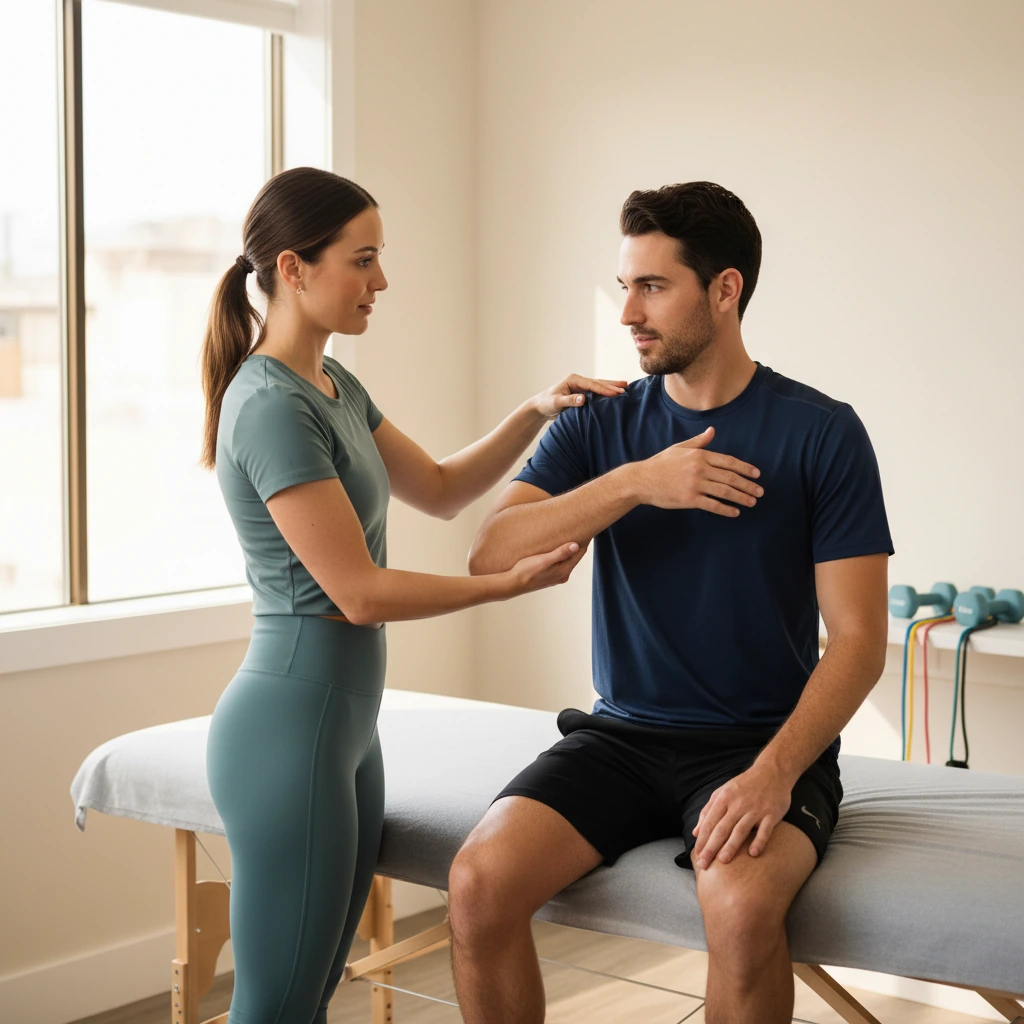
Dynamic Physical Therapy clinician performing shoulder rehabilitation treatment on a patient in Queens

Benefits of PT for Shoulder Pain

Avoid Surgery

Most shoulder conditions - including partial rotator cuff tears, impingement, and frozen shoulder - resolve fully with targeted physical therapy. Surgery is rarely necessary when PT is done correctly and early.

Restore Full Range of Motion

Regain the ability to reach overhead, behind your back, and across your body without pain - through a combination of manual therapy and progressive movement retraining.

Sleep Through the Night Again

Night pain is one of the most debilitating aspects of shoulder injury. Targeted treatment that reduces inflammation, restores mechanics, and offloads the shoulder during sleep dramatically improves sleep quality.

Rebuild Rotator Cuff Strength

A structured strengthening program rebuilds the dynamic stability of the shoulder - preventing impingement, protecting repairs, and equipping the joint to handle sport, work, and daily activity without limitation.

Shoulder Pain Relief FAQs

Can physical therapy heal a rotator cuff tear without surgery?

For partial rotator cuff tears and many full-thickness tears in patients without significant functional loss, physical therapy is highly effective - and research shows outcomes comparable to surgery for a large percentage of patients. PT strengthens the intact rotator cuff muscles to compensate for the tear, reduces impingement, and restores pain-free movement. Surgery is generally reserved for complete tears with major functional deficits, failed conservative treatment, or cases in active athletes requiring surgical repair for return to sport. Our therapists will give you an honest assessment of whether PT alone is likely to achieve your goals.

How long does frozen shoulder (adhesive capsulitis) take to resolve with PT?

Frozen shoulder is notoriously slow to resolve - even with treatment. Without PT, the natural course can last 18 months to 3 years. With consistent physical therapy using progressive capsular mobilization and appropriate exercise, most patients achieve significant improvement in motion and pain within 3 - 6 months, with many reaching full recovery. The key is matching the treatment intensity to the stage of the condition - aggressive mobilization in the acute inflammatory stage often backfires, while well-timed hands-on work in the progressive and thawing stages accelerates recovery significantly.

My shoulder hurts most at night. What's causing that?

Night shoulder pain - especially pain that wakes you or prevents you from sleeping on the affected side - is one of the most reliable indicators of rotator cuff pathology, including tendinopathy, partial tears, and bursitis. When you sleep, the shoulder is often compressed in positions that load the rotator cuff against the acromion, increasing impingement. It can also occur with frozen shoulder or significant glenohumeral arthritis. A clinical evaluation, and often a brief in-clinic MSKUS scan, can quickly identify the source and allow targeted treatment to begin.

I had shoulder surgery. When should I start physical therapy?

The timing depends on your specific procedure and surgeon's protocol - we always coordinate directly with your surgical team before your first PT session. For most arthroscopic procedures, early protected motion begins within the first 1 - 2 weeks. Rotator cuff repair protocols are typically more conservative, with pendulum exercises in week one, progressive active-assisted motion in weeks 2 - 6, and strengthening introduced after the repair has sufficiently healed. Starting PT on the surgeon's timeline - and not earlier or later - is critical to protecting the repair and achieving the best outcome.

What's the difference between shoulder impingement and a rotator cuff tear?

Shoulder impingement occurs when the rotator cuff tendons are compressed between the head of the humerus and the acromion during arm elevation - producing pain and inflammation in the tendons and bursa. It's often caused by poor scapular mechanics, muscle imbalance, or repetitive overhead activity. If impingement goes untreated over time, the repeated mechanical stress can cause the tendons to progressively degenerate and eventually tear - either partially or fully. PT addresses impingement effectively before it reaches the tear stage, and can also be used to manage existing tears conservatively. Our MSKUS imaging can distinguish between these conditions at your first visit.

How long until I feel improvement with shoulder PT?

For most acute shoulder conditions - impingement, bursitis, tendinopathy - many patients notice meaningful pain reduction and improved function within 3 - 6 sessions. Rotator cuff tears, post-surgical rehabilitation, and frozen shoulder typically require 8 - 16 weeks of consistent treatment for significant recovery, depending on severity. Your therapist will give you a realistic prognosis at your evaluation and track objective measures of improvement - range of motion, strength, and functional tests - at regular intervals throughout your program.

Is shoulder PT covered by insurance?

Physical therapy for shoulder pain is covered by most major insurance plans, including Medicare, Medicaid, No-Fault, Workers' Compensation, and commercial insurers. At Dynamic Physical Therapy, we verify your complete insurance benefits before your first appointment so you know exactly what's covered and what your out-of-pocket costs will be - with no billing surprises. Call us at (718) 826-3200 and our team will confirm your coverage before you commit to anything.
Therapist helping a patient during a physical therapy session

Ready to Get Started? Schedule Your Visit Today.

Whether you're dealing with chronic pain, recovering from surgery, or managing a new injury, our team is ready to help. We offer complimentary assessments at all six of our locations across Queens and Long Island. A licensed therapist will review your symptoms, perform a movement screen, and give you a clear direction at no cost and with no pressure.