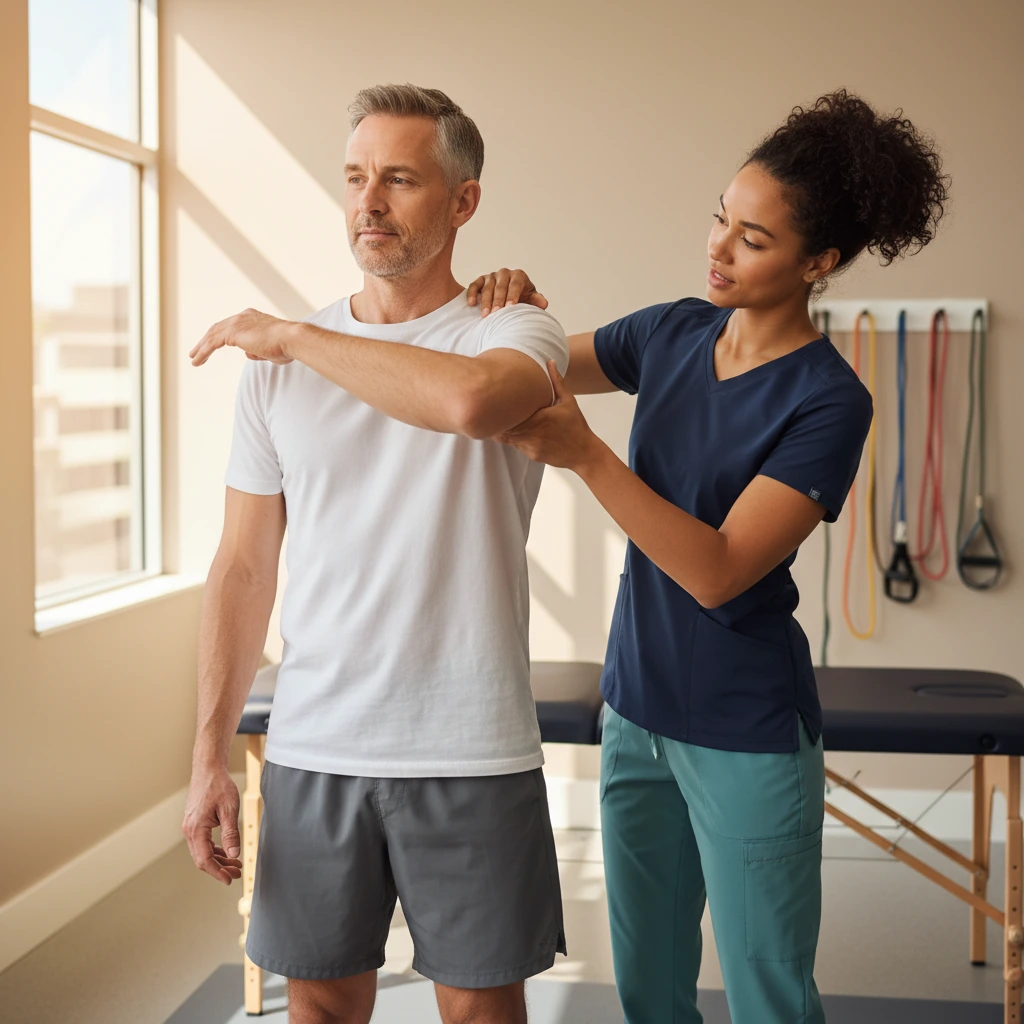
Balance & Gait Disorder Treatment in Queens & Long Island
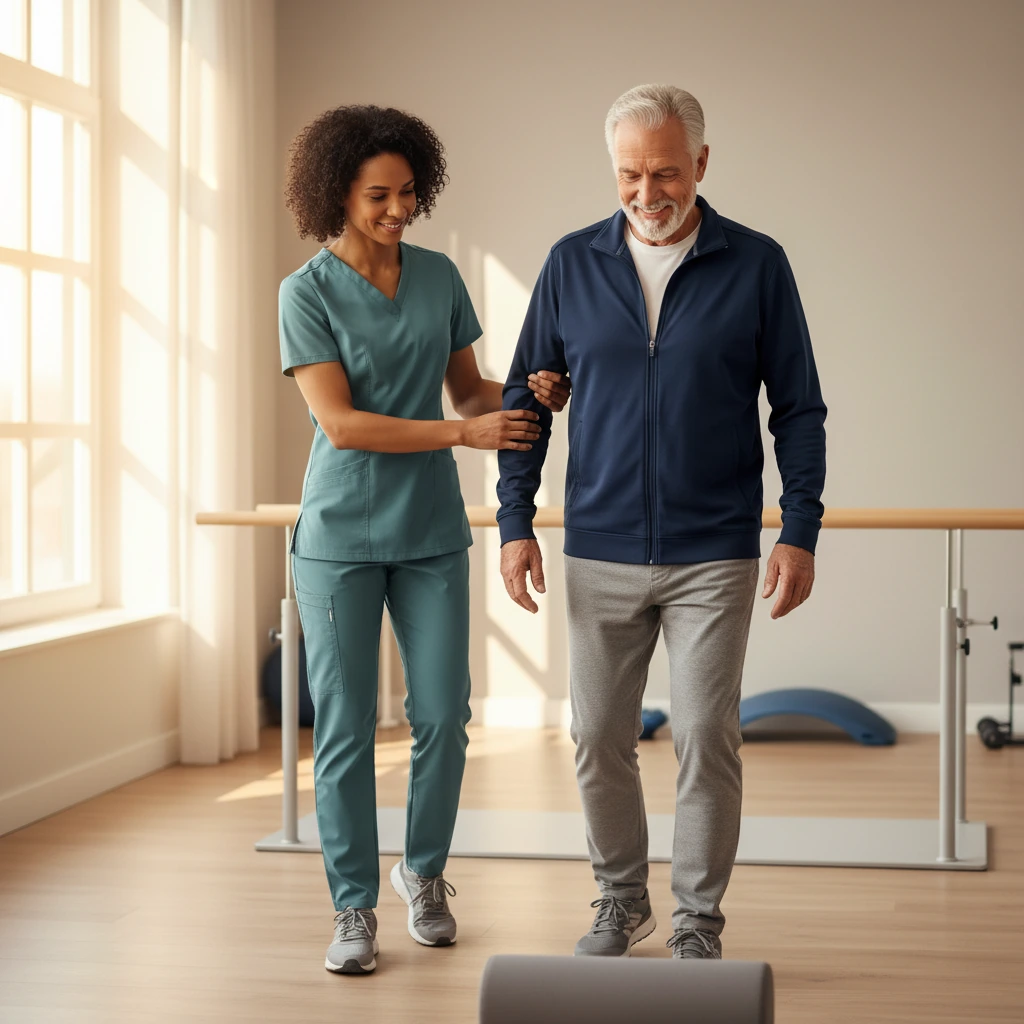
Walking and Balance Are Complex - and When They Fail, the Consequences Are Serious
Balance and normal walking gait depend on the seamless integration of three systems: the musculoskeletal system (strength, flexibility, and joint mobility), the vestibular system (inner ear and spatial orientation), and the neurological system (brain, spinal cord, and peripheral nerve signaling). When any one of these systems is disrupted - by aging, injury, neurological disease, or inner ear dysfunction - the result can range from subtle unsteadiness to a complete inability to walk safely without assistance.
At Dynamic Physical Therapy, our founder Dr. Nilesh Soni holds a Geriatric Clinical Specialist (GCS) certification - one of the most advanced credentials in older adult rehabilitation. Our team brings specialized expertise in fall prevention, vestibular rehabilitation, neurological gait retraining, and progressive balance programs that restore confidence, independence, and safety for patients of all ages and conditions across our six Queens & Long Island locations.
Balance Disorder Symptoms vs. Gait Disorder Symptoms
Balance and gait disorders often occur together and share underlying causes - but their presentations are distinct. Identifying which system is most affected determines the most effective treatment approach.
Balance Disorder Signs
Vestibular, proprioceptive & neuromuscular symptoms
Gait Disorder Signs
Shuffling, limping, wide-based & cautious gait patterns
Conditions That Cause Balance & Gait Disorders
Age-Related Deconditioning & Fall Risk
BPPV & Vestibular Dysfunction
Parkinson's Disease
Stroke & Post-Stroke Gait Impairment
Multiple Sclerosis
Peripheral Neuropathy
Post-Surgical Gait Changes (Hip/Knee/Spine)
Osteoarthritis & Joint Pain Affecting Gait
Concussion & Post-Concussive Imbalance
Generalized Weakness & Muscle Atrophy
Medication Side Effects (Dizziness)
Foot Drop & Ankle Weakness
How Dynamic PT Treats Balance & Gait Disorders
Effective balance and gait rehabilitation requires identifying which system - vestibular, neurological, or musculoskeletal - is driving the problem. We assess all three and build a targeted program around your specific diagnosis and goals.
Comprehensive Balance Assessment & Fall Risk Screening
Standardized clinical balance tests - including the Berg Balance Scale, Timed Up and Go, and functional reach assessments - to objectively quantify your fall risk, identify which balance systems are most impaired, and establish measurable baselines for tracking progress.
Vestibular Rehabilitation
Evidence-based vestibular therapy for BPPV, labyrinthitis, and vestibular hypofunction - including Epley and Semont repositioning maneuvers, gaze stabilization exercises, and habituation protocols that directly address the inner ear dysfunction driving dizziness and imbalance.
Gait Retraining, Biomechanical Correction & ALTER G Support
Systematic analysis and retraining of your specific gait pattern - addressing foot clearance, step length, cadence, trunk control, and arm swing - tailored to whether the underlying cause is neurological, musculoskeletal, or vestibular in origin. When full body-weight walking is too difficult or unsafe, ALTER G body-weight-supported gait training lets us practice cleaner mechanics earlier.
Strength & Neuromuscular Training
Progressive lower extremity and core strengthening to rebuild the muscle capacity that supports safe walking - combined with neuromuscular retraining to restore the timing, coordination, and proprioceptive signaling that normal gait and balance require.
Neurological Gait Rehabilitation
Specialized gait programs for patients with Parkinson's, stroke, multiple sclerosis, and peripheral neuropathy - including LSVT BIG-style movement amplitude training, rhythmic auditory cueing for freezing episodes, and task-specific functional mobility training.
Fall Prevention Education & Home Safety
Practical fall prevention strategies including home hazard assessment guidance, safe assistive device selection, footwear recommendations, and education on high-risk situations - giving patients and families the knowledge to reduce fall risk between sessions and beyond discharge.
What to Expect from Your First Visit
Complete Balance & Gait Evaluation
Your therapist conducts standardized balance tests, gait speed measurements, strength and range-of-motion assessments, reflex and sensation screenings, and a full vestibular evaluation - identifying which systems are driving your instability.
Objective Fall Risk Quantification
Using validated clinical tools, we establish your objective fall risk score - giving you, your family, and your referring physician a clear, measurable picture of your current safety and the targets your rehabilitation program is working toward.
One-on-One Individualized Treatment
Every session is dedicated time with your licensed therapist - never a group exercise class, never unsupervised equipment use. Balance training in particular requires skilled observation and real-time adjustment that only individual sessions can provide safely.
Home Exercise & Safety Program
You receive a tailored home balance and strengthening program, clear guidance on safe mobility at home, and specific advice on assistive devices and home modifications to reduce fall risk immediately - not just at discharge.
Restored Confidence & Independence
The ultimate goal is not just improved balance scores - it's restored confidence in your ability to move through the world safely. We discharge patients with both the physical capability and the self-assurance to live independently and actively.
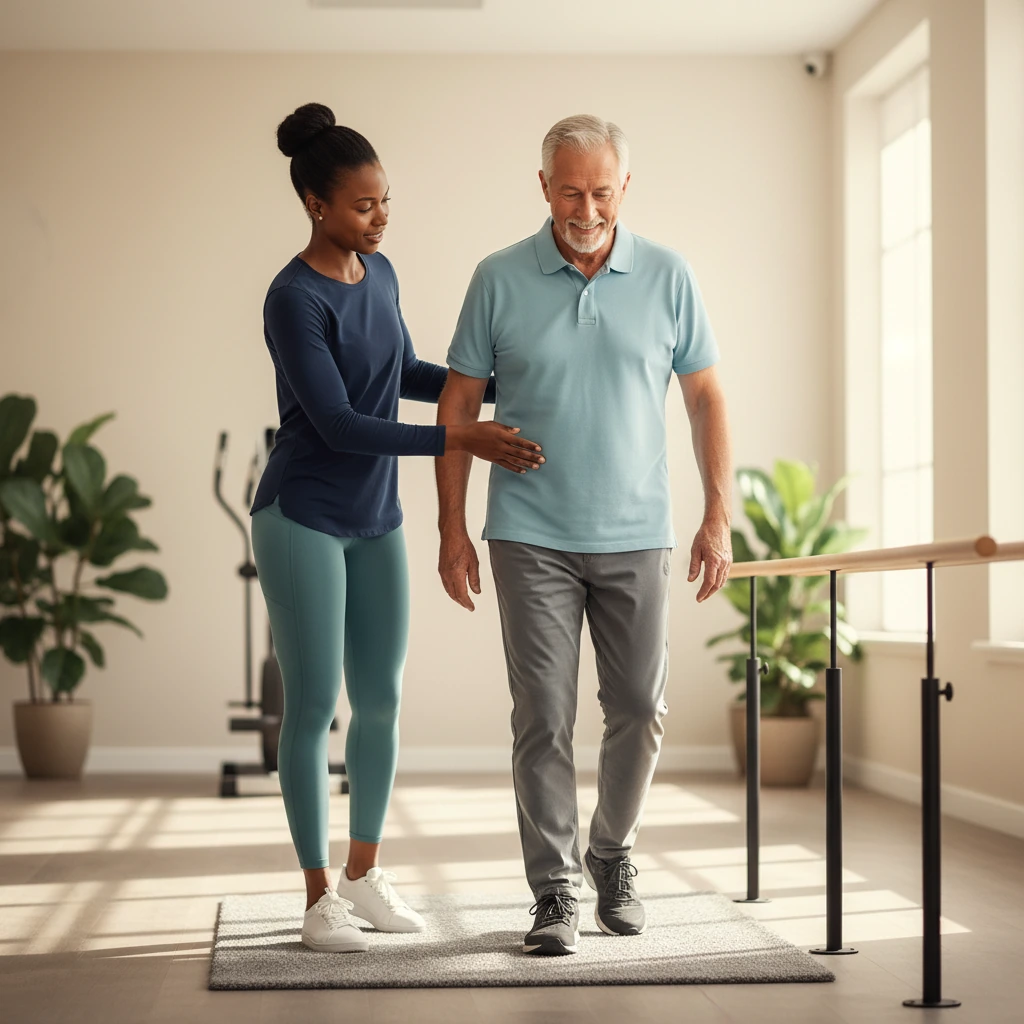
Benefits of PT for Balance & Gait Disorders
Prevent Falls & Serious Injury
Evidence-based balance training is the most effective intervention for reducing fall risk - more effective than medication adjustments alone - and can dramatically reduce the likelihood of a fall-related fracture or hospitalization.
Walk with Confidence Again
Restore a safe, efficient gait pattern - eliminating compensatory movements that overload other joints, reducing the energy cost of walking, and allowing you to move through your environment without constant fear of falling.
Maintain Independence
The ability to move safely at home is the foundation of independent living. PT restores the functional mobility needed to manage stairs, get in and out of bed, cook, bathe, and live in your own home as long as possible.
Address the Root Cause
Unlike medication management of dizziness or instability, PT identifies and directly treats the underlying mechanical, vestibular, or neurological source - producing changes that persist long after the program ends.