Neuropathy & Nerve Pain Treatment in Queens & Long Island
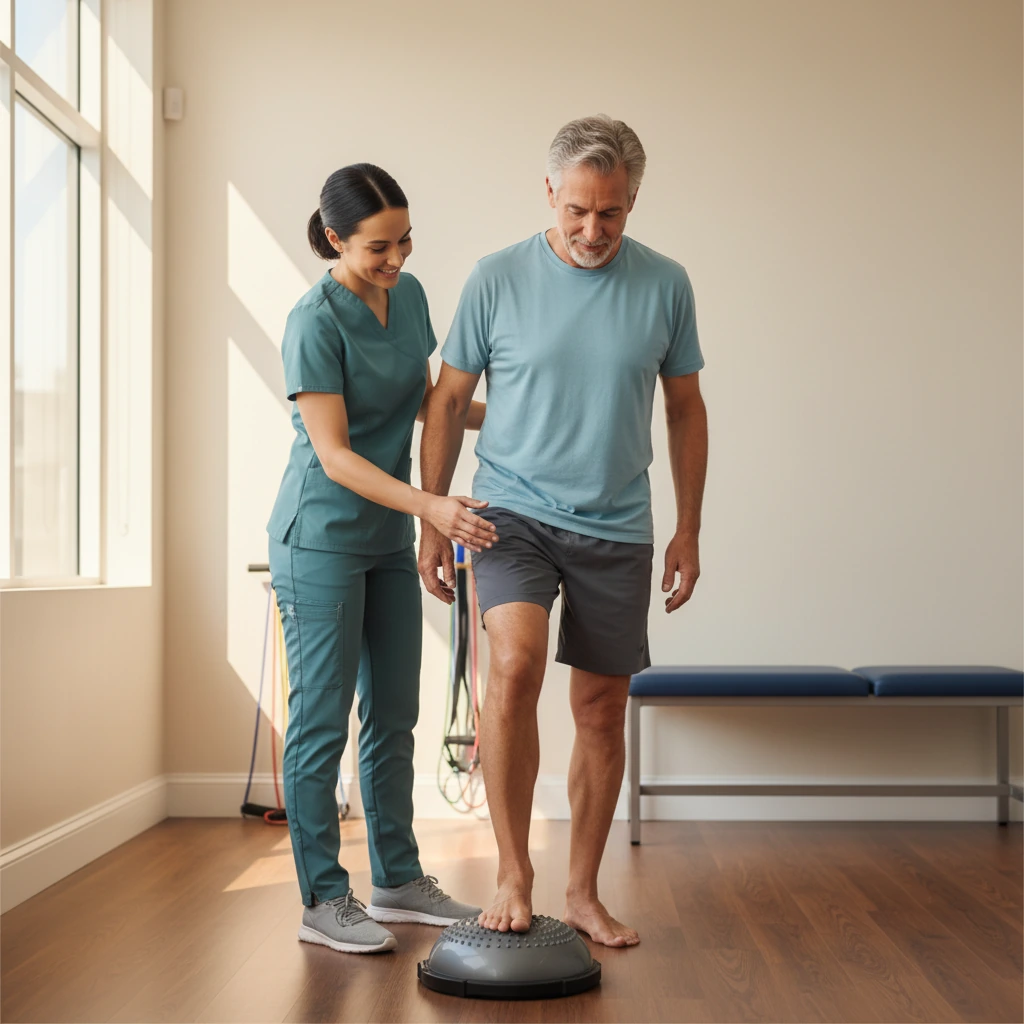
Numbness, Tingling, Burning Pain - These Are Nerve Symptoms. And PT Can Address Them Directly.
Peripheral neuropathy affects an estimated 30 million Americans - producing pain, numbness, tingling, weakness, and balance problems that medication alone rarely fully resolves. It is caused by damage or dysfunction of the peripheral nerves outside the brain and spinal cord, and it can significantly limit mobility, increase fall risk, and reduce quality of life when left unmanaged.
At Dynamic Physical Therapy, we treat neuropathy with a combination of in-clinic EMG/NCS nerve conduction testing - which objectively identifies the location and severity of nerve dysfunction - and individually tailored physical therapy that addresses nerve mobility, circulation, strength, balance, and desensitisation. Our one-on-one approach means every program is built around your specific neuropathy type, your current functional limitations, and your goals.
Not All Neuropathy Is the Same - Accurate Diagnosis Changes Everything
Peripheral neuropathy is not a single diagnosis - it is a broad category of nerve disorders with different causes, different affected nerve types, and different optimal treatment approaches. Understanding which type you have is the essential first step, which is why we begin with objective EMG/NCS nerve testing before designing your program.
Some neuropathies are reversible or significantly improvable with the right intervention. Others require long-term management focused on preserving function, reducing pain, and preventing the falls and injuries that progressive neuropathy causes. Both benefit substantially from targeted physical therapy.
Diabetic Peripheral Neuropathy
The most common form - progressive nerve damage from chronically elevated blood glucose affecting the longest nerves first, producing the classic stocking-and-glove pattern of numbness and tingling starting in the feet and hands.
Compression Neuropathy
Single nerve entrapment from mechanical compression - including Carpal Tunnel Syndrome (median nerve), cubital tunnel (ulnar nerve), and tarsal tunnel syndrome. These are among the most treatable neuropathies with targeted PT and neural mobilization.
Radiculopathy (Pinched Nerve)
Nerve root compression at the cervical or lumbar spine from disc herniation or foraminal stenosis - producing radiating pain, numbness, and weakness along the nerve's distribution into the arm or leg.
Chemotherapy-Induced Neuropathy (CIPN)
Peripheral nerve damage from neurotoxic cancer treatments - producing numbness, tingling, and balance problems that often persist after treatment ends. Exercise-based PT has the strongest evidence of any intervention for CIPN symptom management.
Symptoms That Suggest Peripheral Nerve Involvement
Neuropathic symptoms are often gradual in onset, dismissed as "just part of aging," and treated with medication rather than the nerve-targeted rehabilitation that produces durable improvement. These are the signs to look for.
Common Causes of Peripheral Neuropathy
Diabetes & Pre-Diabetes
Chemotherapy & Cancer Treatment
Spinal Disc Herniation & Stenosis
Nerve Entrapment & Compression
Trauma & Nerve Injury
Alcohol-Related Neuropathy
Autoimmune Disease (Lupus, RA, GBS)
Viral Infections (Shingles, HIV, Lyme)
Hereditary Neuropathy (CMT Disease)
Vitamin B12 or Folate Deficiency
Repetitive Occupational Strain
Idiopathic (Unknown Cause)
How Dynamic PT Treats Neuropathy
Neuropathy treatment at Dynamic PT begins with objective diagnosis and builds a program targeting the specific mechanisms driving your symptoms - not a generic nerve pain protocol.
EMG / Nerve Conduction Studies (NCS)
In-clinic electromyography and nerve conduction testing to objectively identify which nerves are affected, where the dysfunction is located, and how severe the damage is - without waiting for an outside neurology referral. EMG/NCS is the gold standard for diagnosing peripheral neuropathy and distinguishing compression from metabolic, inflammatory, or systemic causes.
Neural Mobilization
Gentle manual techniques that restore normal movement and extensibility of peripheral nerves - directly reducing the mechanical tension on entrapped or sensitised nerves, improving the intraneural blood flow that nerve health depends on, and reducing the referred pain, numbness, and tingling that restricted nerve mobility produces.
Balance & Proprioception Retraining
Systematic retraining of the balance system to compensate for the loss of plantar sensory input that peripheral neuropathy produces - using progressive challenges to standing balance, gait, and dynamic stability that reduce fall risk measurably, even when the underlying nerve damage cannot be fully reversed.
Progressive Strengthening
Targeted strengthening of the intrinsic foot muscles, ankle stabilisers, and lower extremity muscle groups that neuropathy progressively weakens - maintaining functional capacity, reducing foot drop risk, and improving the gait mechanics that neuropathic weakness distorts.
Graded Aerobic Exercise
The most evidence-supported intervention for improving peripheral circulation and promoting nerve health - particularly for diabetic neuropathy. Carefully dosed aerobic exercise improves blood flow to peripheral nerves, supports nerve repair mechanisms, and reduces neuropathic pain intensity through central pain modulation.
Desensitisation & Sensory Re-Education
Graded sensory stimulation techniques that progressively normalise the hypersensitive or distorted nerve responses causing allodynia and dysaesthesia - systematically retraining the nervous system's processing of sensory input to reduce pain from normally non-painful stimuli and restore more accurate sensation.
What to Expect at Your First Neuropathy Assessment
Detailed Neuropathy History
Your therapist takes a full history of your symptoms - onset, pattern, distribution, aggravating factors, and the medical conditions or treatments that may have caused or contributed to the neuropathy - before any testing begins.
In-Clinic EMG/NCS Testing
If nerve conduction studies are indicated, we perform them in-clinic on the same visit - confirming which nerves are affected, where along their course, and to what degree. This directs the entire treatment plan and provides objective documentation for your physician and insurer.
Functional Assessment
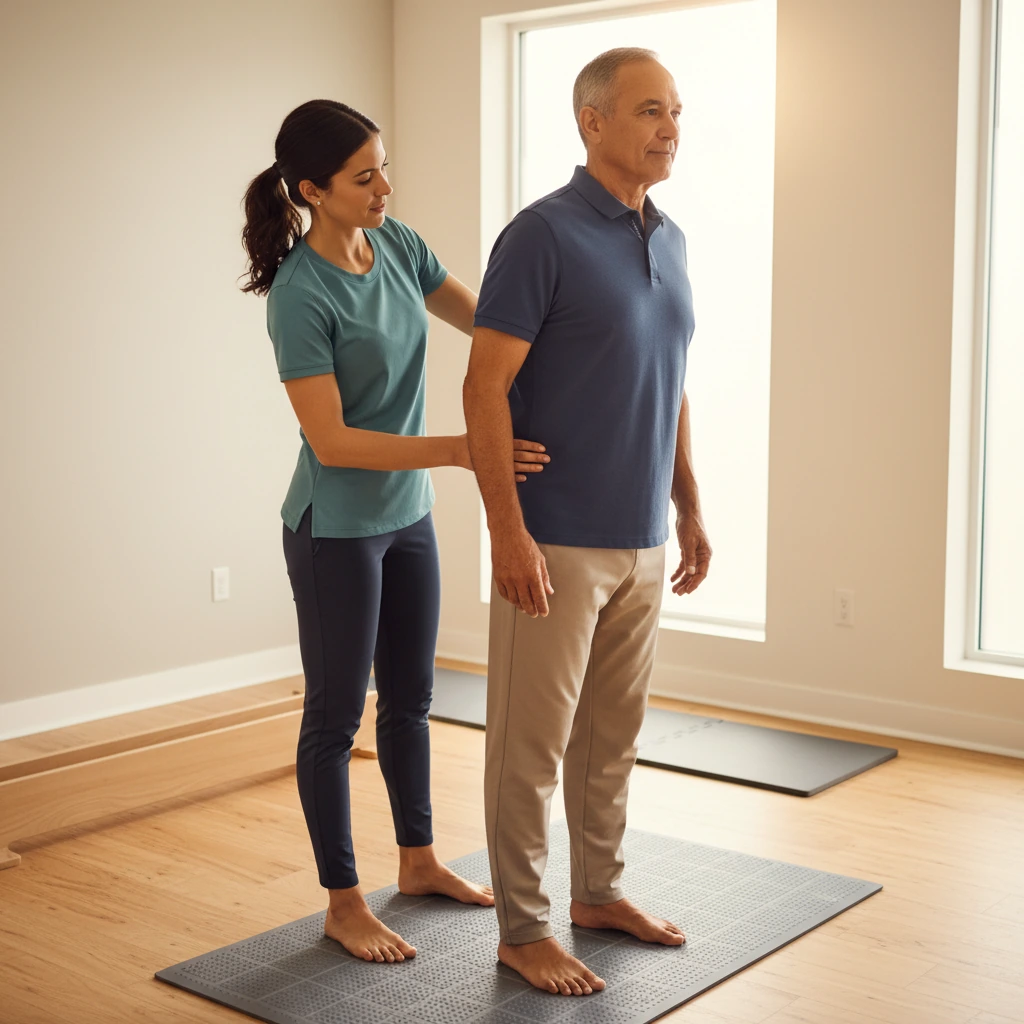
Evaluation of balance, gait, sensation, strength, and fall risk - establishing objective baseline measures that track your progress and document functional improvement throughout the program.
Individualized Program Design
A treatment program designed specifically for your neuropathy type, your symptoms, and your functional goals - addressing the mechanisms driving your symptoms rather than applying a standard nerve pain protocol.
Home Program & Long-Term Management
Neuropathy frequently requires ongoing management rather than a finite course of treatment. You receive a home exercise program, fall-prevention strategies, footwear guidance, and a long-term management plan for continuing to protect and maintain your function after formal PT ends.
What PT Achieves That Medication Alone Cannot
Objective Nerve Diagnosis
In-clinic EMG/NCS identifies exactly which nerves are involved and how severely - producing the accurate diagnosis that determines the right treatment, rather than treating symptoms without knowing the underlying cause.
Reduce Fall Risk
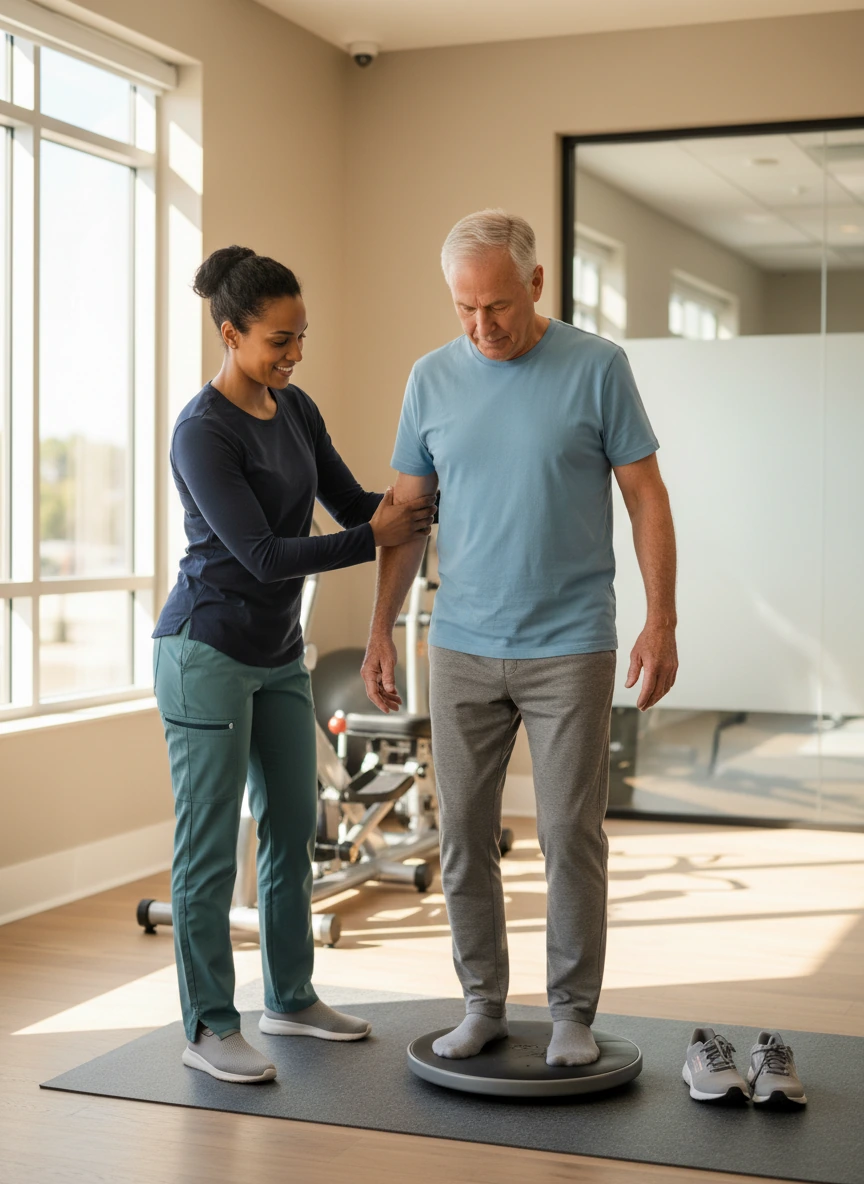
Balance retraining and proprioceptive training produce measurable improvements in stability even when nerve damage is not reversible - addressing the most serious functional consequence of peripheral neuropathy.
Drug-Free Pain Reduction
Neural mobilization, graded aerobic exercise, and desensitisation produce meaningful reductions in neuropathic pain - providing relief beyond what medication alone achieves, without the side effects of anticonvulsants or antidepressants used for nerve pain.
Preserve Long-Term Function
Progressive neuropathy leads to increasing weakness, instability, and dependence if not actively managed. Regular therapeutic exercise maintains the strength and mobility buffer that protects function even as the underlying condition progresses.
Neuropathy Treatment FAQs
Can physical therapy actually help neuropathy, or does it just manage symptoms?
It depends on the neuropathy type. For compression neuropathies like Carpal Tunnel Syndrome, neural mobilization and targeted PT can produce genuine nerve recovery by relieving the mechanical compression causing the damage. For diabetic and chemotherapy-induced neuropathy, PT does not reverse the underlying nerve damage - but it significantly improves function, reduces pain, corrects the balance deficits that cause falls, and maintains the strength and mobility that protect quality of life. For radiculopathy, PT addresses the disc or joint dysfunction compressing the nerve root and frequently produces full resolution. Your therapist will give you an honest prognosis at your first assessment based on your specific diagnosis.
What is EMG/NCS and do I need it?
EMG (electromyography) and NCS (nerve conduction studies) are the gold-standard diagnostic tests for peripheral neuropathy. NCS measures the speed and strength of electrical signals through your peripheral nerves - confirming which nerves are affected, where along their course, and whether the myelin sheath or axon is primarily involved. EMG assesses the electrical activity of muscles to identify denervation. Together they distinguish compression neuropathy from metabolic, inflammatory, and systemic causes - information that directly determines the right treatment approach. At Dynamic PT, we perform both in-clinic on the same day as your assessment - without the weeks-long wait for a neurology referral.
I have diabetic neuropathy. Can PT help me?
Yes - and the evidence is strong. For diabetic peripheral neuropathy specifically, graded aerobic exercise is the most evidence-supported intervention available - improving peripheral circulation, supporting nerve health, reducing neuropathic pain, and helping regulate blood glucose. Balance and proprioceptive retraining addresses the fall risk that diabetic neuropathy significantly elevates. Foot care education, footwear guidance, and gait analysis reduce the risk of diabetic foot complications. We work in coordination with your endocrinologist or physician to ensure the exercise program is safely tailored to your glucose management needs.
How is neuropathy PT different from regular PT?
Several key differences. First, we begin with objective EMG/NCS nerve testing rather than relying on symptom description alone - confirming what is happening neurologically before designing treatment. Second, the treatment itself includes neural mobilization techniques specifically aimed at peripheral nerve mechanics, not just muscle and joint treatment. Third, balance and proprioceptive retraining for neuropathy requires specific progressions that account for absent or distorted sensory feedback - the programs are calibrated differently than standard balance training. Fourth, desensitisation protocols for allodynia and dysaesthesia are specific to neuropathic pain presentations and are not part of standard musculoskeletal PT.
Is neuropathy physical therapy covered by insurance?
Physical therapy for peripheral neuropathy is covered by Medicare, Medicaid, and most commercial insurance plans when medically necessary - which functional limitations from neuropathy (balance problems, weakness, gait disturbance) typically satisfy. EMG/NCS testing is covered as a separate diagnostic benefit under most plans. At Dynamic Physical Therapy, we verify your complete benefits before your first appointment so you know your coverage in advance. Call us at (516) 661-9880 and our team will handle verification for you.