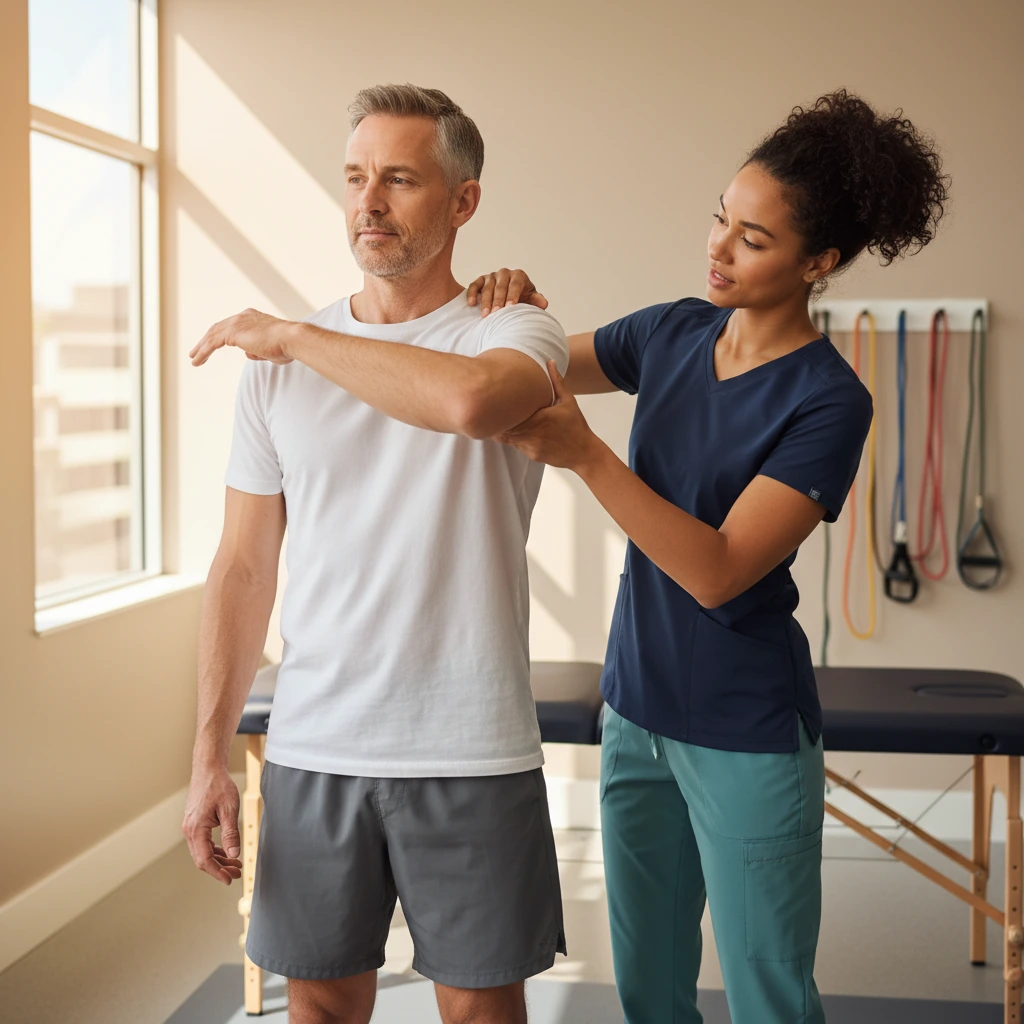
Post-Surgical Rehabilitation in Queens & Long Island
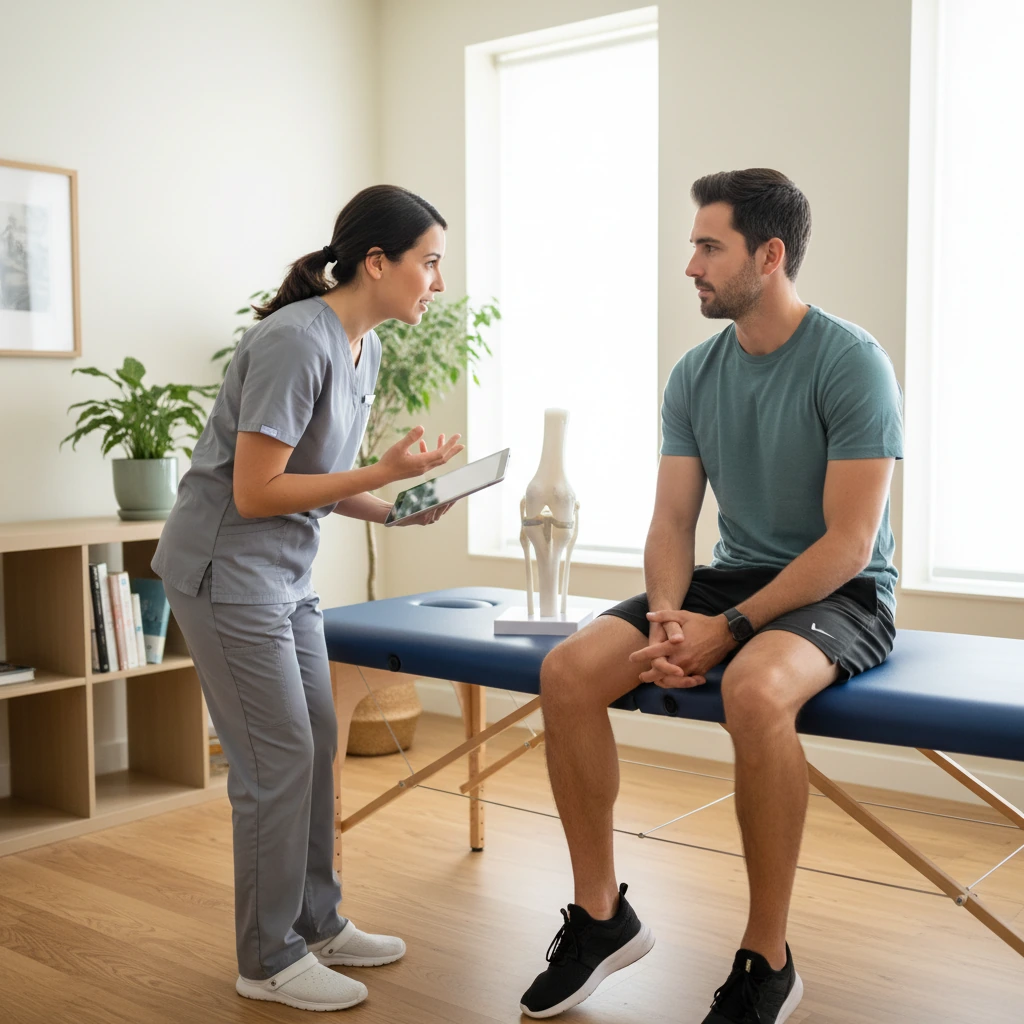
Surgery Fixed the Problem. Physical Therapy Gets Your Body Back.
Surgery - whether a joint replacement, a ligament repair, a spinal procedure, or a soft tissue repair - addresses the structural problem. But the surgical repair alone does not restore your strength, your range of motion, your balance, or your ability to return to the activities you care about. That work requires post-surgical rehabilitation: a structured, phase-based physical therapy program that begins immediately after your procedure and carries you all the way to full function.
At Dynamic Physical Therapy, we provide post-surgical rehabilitation for a wide range of orthopedic, neurological, and general surgical procedures - working in direct coordination with your surgeon's protocol, delivering one-on-one hands-on care at every session, and tracking your progress objectively against the milestones your specific procedure requires. With six locations across Queens & Long Island, expert therapists, and in-clinic diagnostic tools including MSKUS and EMG/NCS, we give you the most comprehensive post-surgical recovery program available in the region.
The Two Problems Every Surgery Creates - and How PT Solves Them
Every surgical procedure creates two universal challenges regardless of the type or site of surgery. Both are predictable, both are well-understood, and both require specific physical therapy interventions to resolve. Without PT, neither fully corrects on its own - and both lead to chronic limitations that persist long after the surgical incision has healed.
Post-Surgical Weakness
Surgery causes immediate and significant muscle inhibition - the nervous system reflexively shuts down muscle activation around the surgical site in response to trauma, swelling, and pain. This muscle inhibition often exceeds what would occur from the same period of rest alone. Quadriceps inhibition after knee surgery, rotator cuff weakness after shoulder procedures, and core inhibition after spinal surgery all begin in the operating room. Without targeted progressive strengthening, this weakness persists indefinitely, leading to long-term functional limitations, abnormal movement patterns, and elevated risk of re-injury.
Scar Tissue & Restricted Mobility
All surgical incisions heal through scar tissue formation - a necessary biological process that also tends to bind and restrict surrounding structures if not actively managed. Scar tissue that forms in a joint capsule, around a tendon, or between fascial layers can dramatically limit range of motion and cause pain with movement long after the original procedure is healed. PT uses specific manual therapy techniques - scar mobilization, joint mobilization, myofascial release - to prevent pathological scar tissue formation and restore full, unrestricted movement throughout recovery.
Post-Surgical Rehab for a Wide Range of Procedures
Total Knee Replacement
Total Hip Replacement
Rotator Cuff Repair
ACL Reconstruction
Spinal Surgery & Fusion
Meniscus Repair
Shoulder Replacement
Achilles Tendon Repair
Hand, Wrist & Elbow Surgery
Cardiac & Thoracic Surgery
Fracture Repair & ORIF
Foot & Ankle Surgery
How Post-Surgical Rehabilitation Progresses
Every post-surgical program at Dynamic PT is phase-based - meaning treatment goals, exercise types, and intensity advance systematically as your tissue heals, never skipping stages or progressing faster than the surgical repair can safely tolerate.
The immediate post-operative phase focuses on managing pain, swelling, and inflammation while protecting the surgical repair and beginning safe, gentle motion as specified by your surgeon's protocol.
As the surgical repair consolidates, the focus shifts to restoring full range of motion, preventing scar tissue restriction, and beginning progressive strengthening of inhibited muscle groups.
With the repair protected and mobility restored, the emphasis moves to rebuilding functional strength, endurance, and movement quality - bringing you back toward normal daily activity demands.
The final phase bridges the gap between completing PT and returning to your specific work, sport, or lifestyle demands - with objective testing to confirm your readiness before discharge.
Your Dynamic PT therapist remains in direct communication with your surgical team throughout your entire recovery - following surgical protocol precisely, reporting objective progress measures, and collaborating on any adjustments to your timeline. You will never advance a phase faster than your repair can safely tolerate.
What Your Post-Surgical PT at Dynamic PT Includes
Our post-surgical programs combine hands-on manual therapy, progressive exercise, and advanced diagnostics to deliver the most comprehensive recovery available - individualized to your procedure, your timeline, and your goals.
Manual Therapy & Joint Mobilization
Skilled hands-on joint mobilization to restore range of motion, reduce post-operative joint stiffness, and prevent capsular restriction - applied at the appropriate intensity for each phase of healing and calibrated to your surgical repair's protection requirements.
Scar Tissue Mobilization
Specialized manual techniques to address surgical scar tissue and fascial adhesions - preventing the tightness, restricted mobility, and referred pain that poorly managed scar tissue causes long after surgical wounds have superficially healed.
Progressive Strengthening
A systematically progressed exercise program rebuilding the inhibited muscles around the surgical site - from early activation exercises in the acute phase through advanced functional strengthening in the return-to-activity phase - never advancing faster than tissue healing allows.
Balance & Neuromuscular Retraining
Restoration of the proprioceptive awareness and neuromuscular control that surgery disrupts - critical for safe return to walking, stairs, driving, sport, and any activity requiring dynamic joint stability. Particularly important after lower extremity joint replacement and ligament reconstruction.
In-Clinic Diagnostics (MSKUS & EMG/NCS)
Post-surgical musculoskeletal ultrasound to monitor tissue healing and identify any complications - and EMG/NCS nerve testing when post-operative nerve symptoms arise - providing objective diagnostic clarity that accelerates appropriate treatment decisions.
Surgeon Protocol Coordination
Every post-surgical program at Dynamic PT is built around your specific surgeon's post-operative protocol - we contact your surgical team, obtain the protocol, follow it precisely, and maintain communication throughout your recovery. No guesswork, no assumptions about what your repair can tolerate.
What to Expect at Your First Post-Surgical PT Session
Review of Surgical Procedure & Protocol
Your therapist reviews your surgeon's operative report and post-operative protocol before your first session - understanding exactly what was repaired, what precautions apply, and what the phase timeline requires for your specific procedure.
Post-Operative Assessment
A careful evaluation of your surgical site - assessing swelling, pain, wound status, range of motion, and initial strength - establishing the baseline from which all progress will be measured and confirming the starting point for your treatment program.
Phase 1 Treatment Begins Immediately
Gentle swelling management, protected range of motion exercises, and early muscle activation begin at your very first visit - within the specific precautions your surgeon's protocol requires. There is no reason to delay the start of recovery.
Home Program & Safety Guidance
You leave your first session with a clear home exercise program, specific weight-bearing and activity precautions, and practical guidance for safely managing daily activities during the early recovery period - including getting in and out of bed, using stairs, and bathing.
Progress Checkpoints & Surgeon Communication
Objective milestones are established at the start and tracked at regular intervals - with progress reports shared with your surgeon as needed. Every phase transition is based on objective criteria, not just time elapsed since surgery.
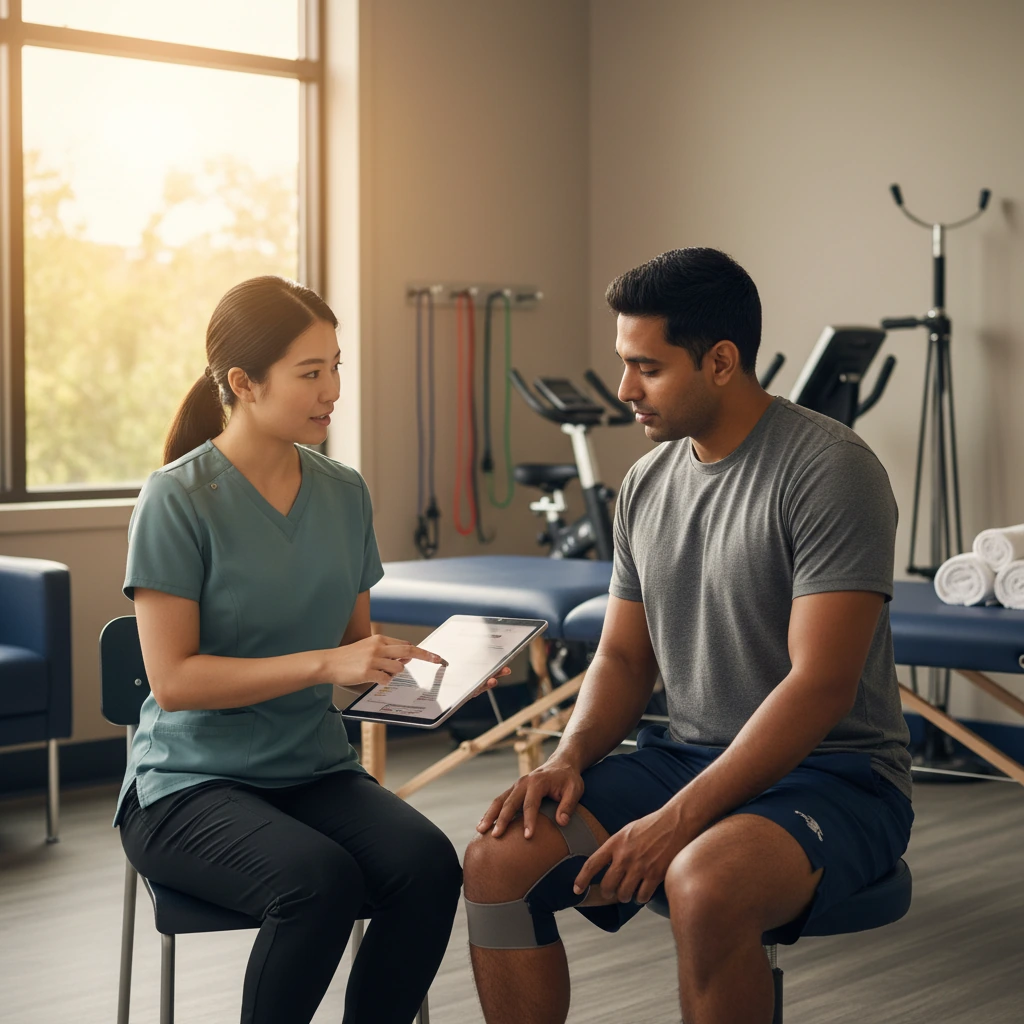
What Happens When You Skip Post-Surgical Rehab
Faster Return to Full Function
Patients who begin PT promptly after surgery and attend consistently achieve the milestones their surgeon sets - independence, driving, sport return - significantly faster than those who delay or attend inconsistently.
Prevent Permanent Stiffness
Scar tissue that isn't actively managed in the early post-operative weeks can cause permanent joint restriction. The window for preventing this is narrow - early, consistent PT is the intervention that keeps it open.
Protect the Surgical Repair
A skilled PT ensures your exercise program stays within the limits your repair can safely tolerate - protecting the graft, implant, or repair from the excessive loading that re-injury or failure risk.
Optimize Your Surgical Investment
Surgery is a significant physical, financial, and emotional investment. Post-surgical PT is what ensures you get the full return on that investment - complete recovery, not partial recovery that leaves lasting limitations.