Joint Rehab in Queens & Long Island
Restore Mobility, Strength, and Confidence in the Joints That Keep You Moving
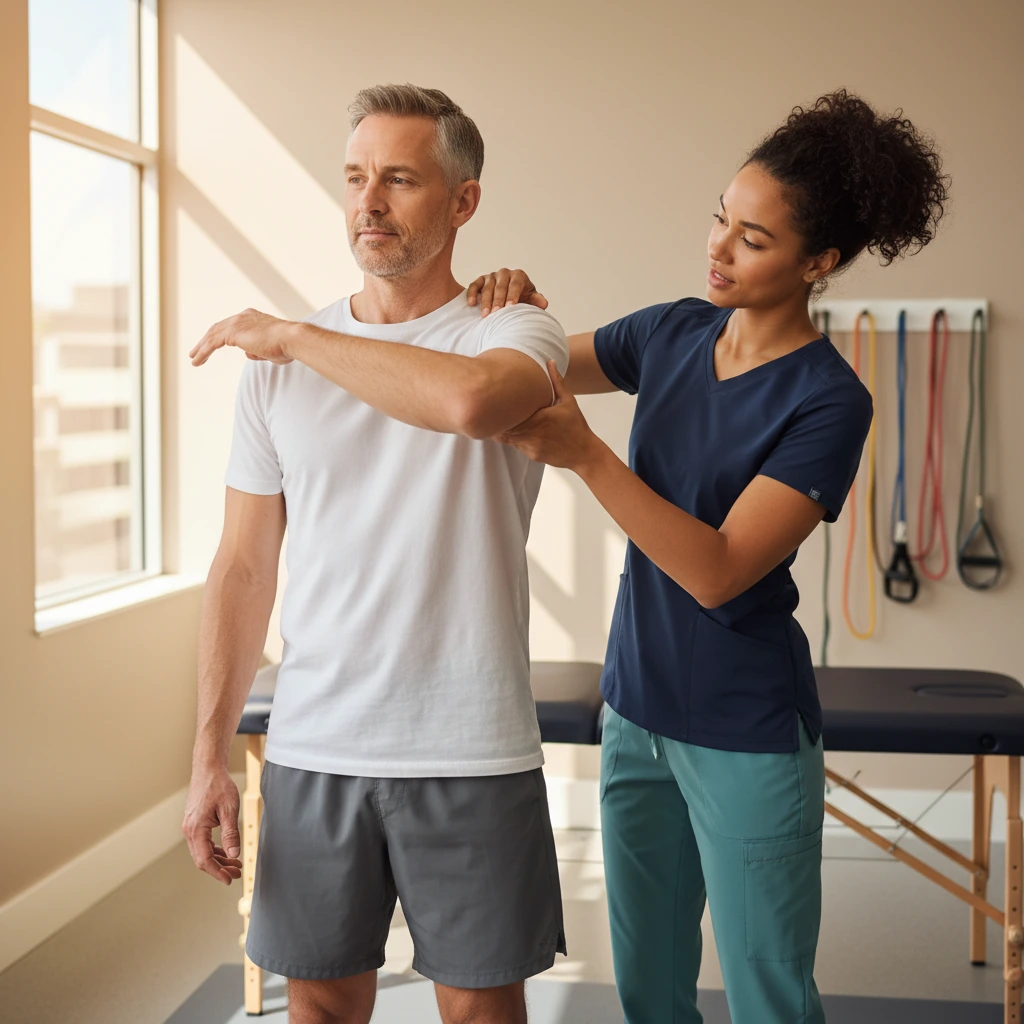
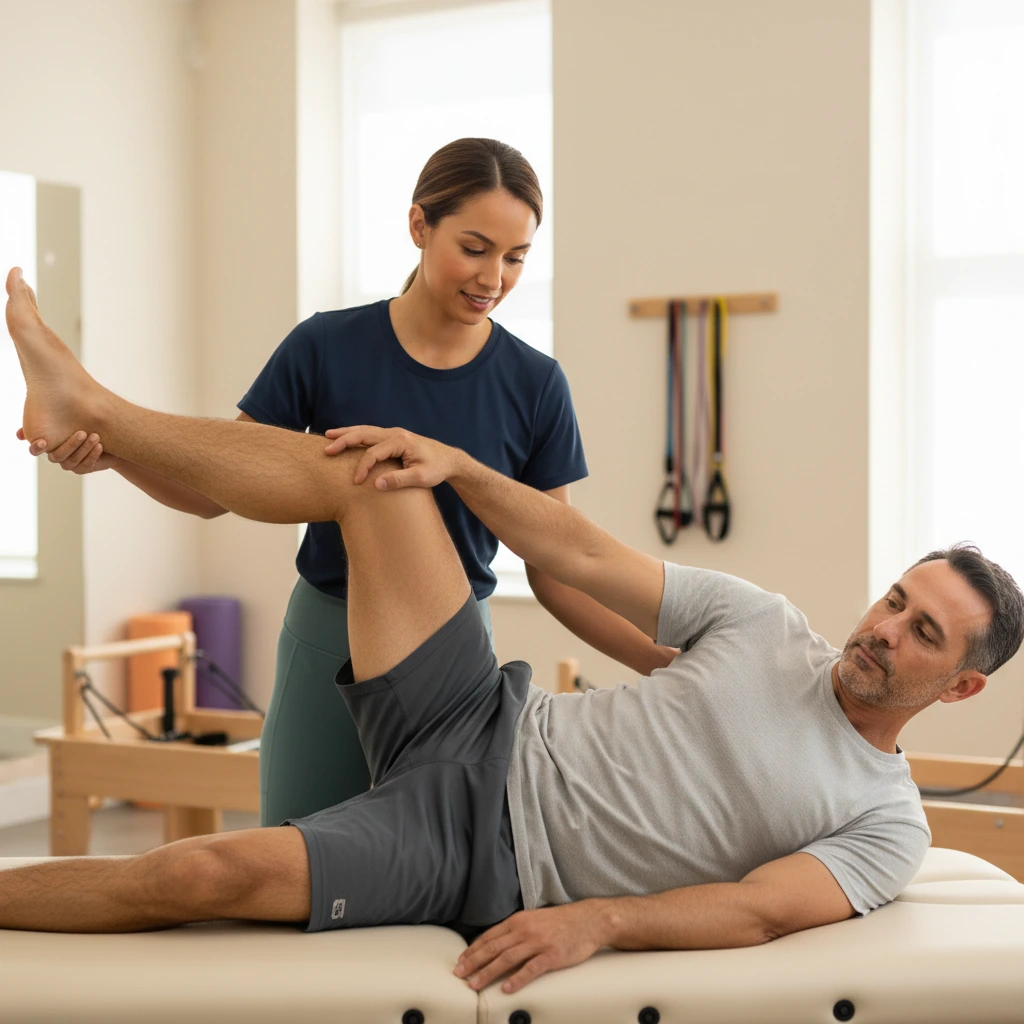
Joint rehab focuses on the places where stiffness, pain, swelling, instability, or overload most often disrupt daily life - shoulders, hips, knees, ankles, elbows, wrists, and hands. The work is not only about range of motion. It is also about how that joint is loaded, how the surrounding muscles support it, and what movement habits keep the symptoms repeating.
At Dynamic Physical Therapy, joint rehab is tailored to the exact stage you are in. Some patients need pain relief and motion restoration first. Others are ready for strength, balance, and return-to-activity work. We move from the right starting point instead of forcing everyone through the same progression.
We Improve the Joint Itself and the Support System Around It
Most joint problems are not isolated to one sore structure. Results are better when pain relief, mechanics, strength, and confidence are all addressed together.
Restore Motion
We improve joint mobility and soft tissue freedom so everyday movements no longer feel blocked, guarded, or painful.
Reduce Irritation
Hands-on care and smart load modification help calm inflamed or overloaded joints without asking you to simply stop moving.
Build Strength Around the Joint
Better support from the surrounding muscle groups usually means less compression, less instability, and better movement quality.
Return to Real Activity
We progress the plan toward stairs, lifting, court movement, workouts, walking, and the specific functional goals that matter to you.
Joint Rehab Is Especially Useful When Pain Has Started Changing the Way You Move
Joint-specific pain usually creates compensation quickly. Our job is to catch those patterns early and unwind them before they become your new normal.
From Painful and Restricted to Stable and Strong
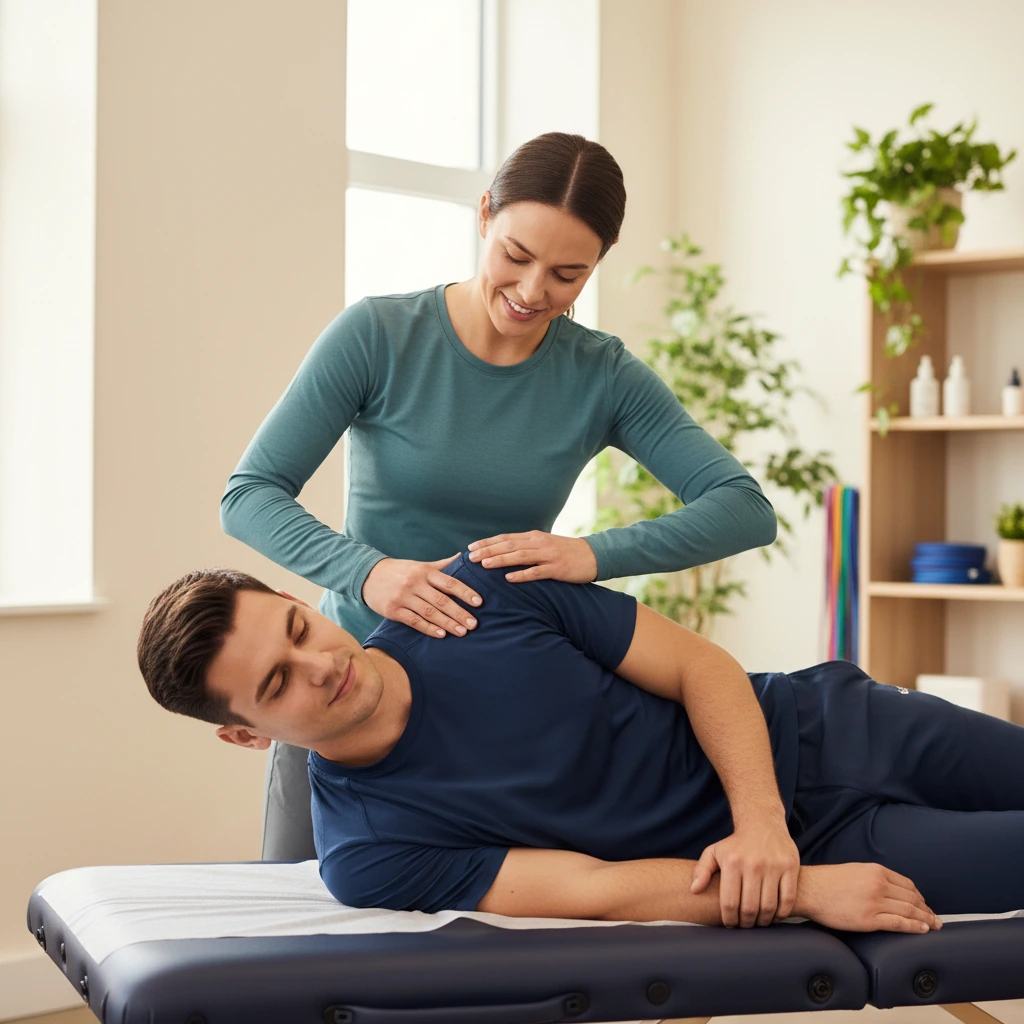
The progression changes by body part, but most joint rehab plans move through these same recovery stages.
Calm the Joint and Improve Tolerance
We start by reducing irritation, restoring basic range, and helping you move through everyday tasks with less guarding and less symptom flare.
Restore Cleaner Mechanics
Mobility, alignment, and control work help the joint move more efficiently instead of forcing neighboring structures to compensate.
Build Support and Strength
Progressive strengthening improves joint resilience and helps the gains hold up when loads get heavier or movement gets faster.
Return to Life, Work, and Recreation
We finish by bridging you back to the activities that stress that joint most - from stairs and lifting to sport, fitness, and repetitive daily use.
The Win Is Not Just Less Pain - It Is Better Movement
Less Recurring Irritation
When the joint is supported better and loaded better, flare-ups stop feeling like random setbacks and start becoming much less common.
More Confident Motion
Patients usually feel the difference in reaching, walking, squatting, stairs, gripping, and other everyday movements long before the rehab is over.
A Stronger Return to Activity
Once the joint can move and load well again, we can build back toward higher-level activity without layering weakness on top of pain.
Common Questions About Joint Rehabilitation
Can joint rehab help even if imaging shows arthritis?
Yes. Arthritis changes the joint, but it does not mean pain cannot improve. Many patients feel significantly better once motion, strength, balance, and load management are addressed around that joint.
Do you only treat large joints like hips and knees?
No. We treat both large and small joints, including shoulders, ankles, elbows, wrists, hands, and the supporting movement chains around them.
What if the joint feels unstable more than painful?
That is still a strong reason for rehab. Joint instability often improves through targeted control, strength, and position training, even when pain is not the main complaint.
Can you help after surgery or injections?
Yes. Joint rehab often becomes even more important after surgery or injections because the pain may change before the movement problem is fully solved. We help bridge that next stage safely.