What is osteoporosis?
Osteoporosis literally means porous (hollow) bones. The infrastructure of bone becomes thin and weakened.
INTERESTING FACTS ABOUT OSTEOPOROSIS: from the national osteoporosis foundation.
- Osteoporosis and osteopenia (thin bones) currently are estimated to affect 44 million Americans.
- Osteopenia (thin bones) is a major health threat for 55% persons over the age of 50.
- 1 of 2 women and 1 of 4 men will have an osteoporosis related fracture in their lifetime.
- It is estimated that an osteoporosis related fracture occurs once every 20 seconds.
- A woman’s risk of hip fracture is nearly 2-3 times that of men; however, the one year mortality rate in men is nearly double that of women.
- Six months following a hip fracture, only 15% of patients can walk across a room un aided.
- 25% of patients who were walking prior to hip fracture, require long term care afterward.
- An average of 24% of persons over the age of 50 with hip fracture dies within one year of fracture.
How do bones get /remain strong?
Bones depend on calcium, other chemicals, and vitamins to keep them strong. Bones grow as a response to physical stress being put on them. The density (hardness) of bones requires a good diet, some sunlight, and exercise in order to stay strong and not break. Weakened bone is at a higher risk for fractures occurring from minimal stresses.
Why is osteoporosis known as a ‘silent disorder’ ?
In fact, most people don’t even know he/she has osteoporosis until a bone breaks. A broken bone is called a fracture. At this point, the disease is at an advanced stage. That is why osteoporosis is called the ‘silent disease’. Bone loss usually occurs slowly over time without symptoms until a bone breaks. It can happen to anyone at any age. There is another term to learn here – OSTEOPENIA: when the bone gets thinner but the architecture of bone is intact, that is called osteopenia (or the initial stage of osteoporosis). And when the bone is thinner and brittle along with some loss of normal architecture of the bone, it is called osteoporosis.
What are the risk factors for developing Osteoporosis?
Caffeine (more than 2-5 cups/day), Prolonged immobilization (prolonged rest of a particular part of body), Early menopause, Eating disorders, Sedentary life style, Low calcium diet, High alcohol intake, Medications: some of them are —corticosteroids, thyroid medication, some cancer drugs, heparin, antacids containing aluminum, Diseases: — cancer, diabetes, seizures, TB, rheumatoid arthritis, kidney dialysis, burns, liver dysfunction, thyroid problems, some congenital disorders, crohn’s disease, multiple sclerosis, lupus, osteoarthritis…
How do I know whether I have osteoporosis or not?
THE GOLD STANDARD TEST – to know whether you have osteoporosis is: BONE DENSITY SCAN – of your lower back (lumbar spine). However, the earliest change is loss of height. So please ask your doctor to check your height during your regular check ups.
What can I do?
Here are the TOP TIPS to beat Osteoporosis:
- Talk to your doctor about a Bone Density Test
- Talk to a dietician to make sure your diet is providing your bones with enough calcium and is balanced correctly.
- Talk to your physician and pharmacist about medications available to help you.
- Make sure your diet includes enough calcium, not too much caffeine or alcohol, and adequate, but not excessive, protein.
- EAT YOUR VEGETABLES: Some of the vegetables which are good for bone health are:Lettuce, onion, cabbage, arugula, broccoli, tomato, garlic, cucumber, dill, parsley…
- Spend at least 30 minutes/day in sunlight and/or eat foods which are fortified with Vitamin D
- Talk to a physical therapist at Dynamic Physical Therapy about your activity level and an exercise program to combat osteoporosis.
Why exercises/physical therapy?
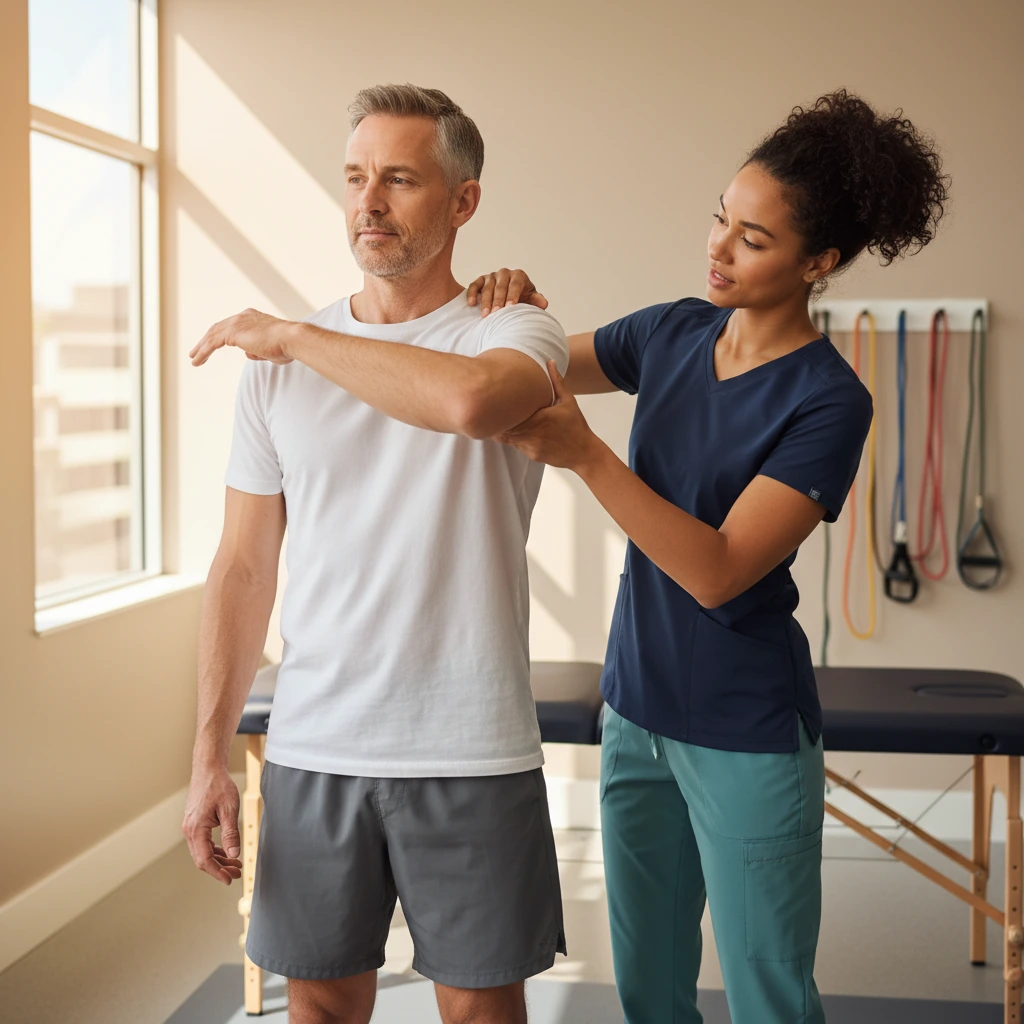
A physical therapist can teach you site specific exercises, balance, stabilization and proper body mechanics as well as standing and walking in proper alignment. By improving our posture and body alignment, you will increase the force of muscle contraction on your weight bearing bones.
Exercises done under the guidance of a physical therapist specialized in osteoporosis management, can help:
- Increase muscle strength primarily targeted at the back muscles and hips.
- Increase bone strength and prevent fracture
- Increase your flexibility.
- Improve posture and body awareness.
- Reduce and /or alleviate pain
- Improve body mechanics
- Improve breathing and digestion.