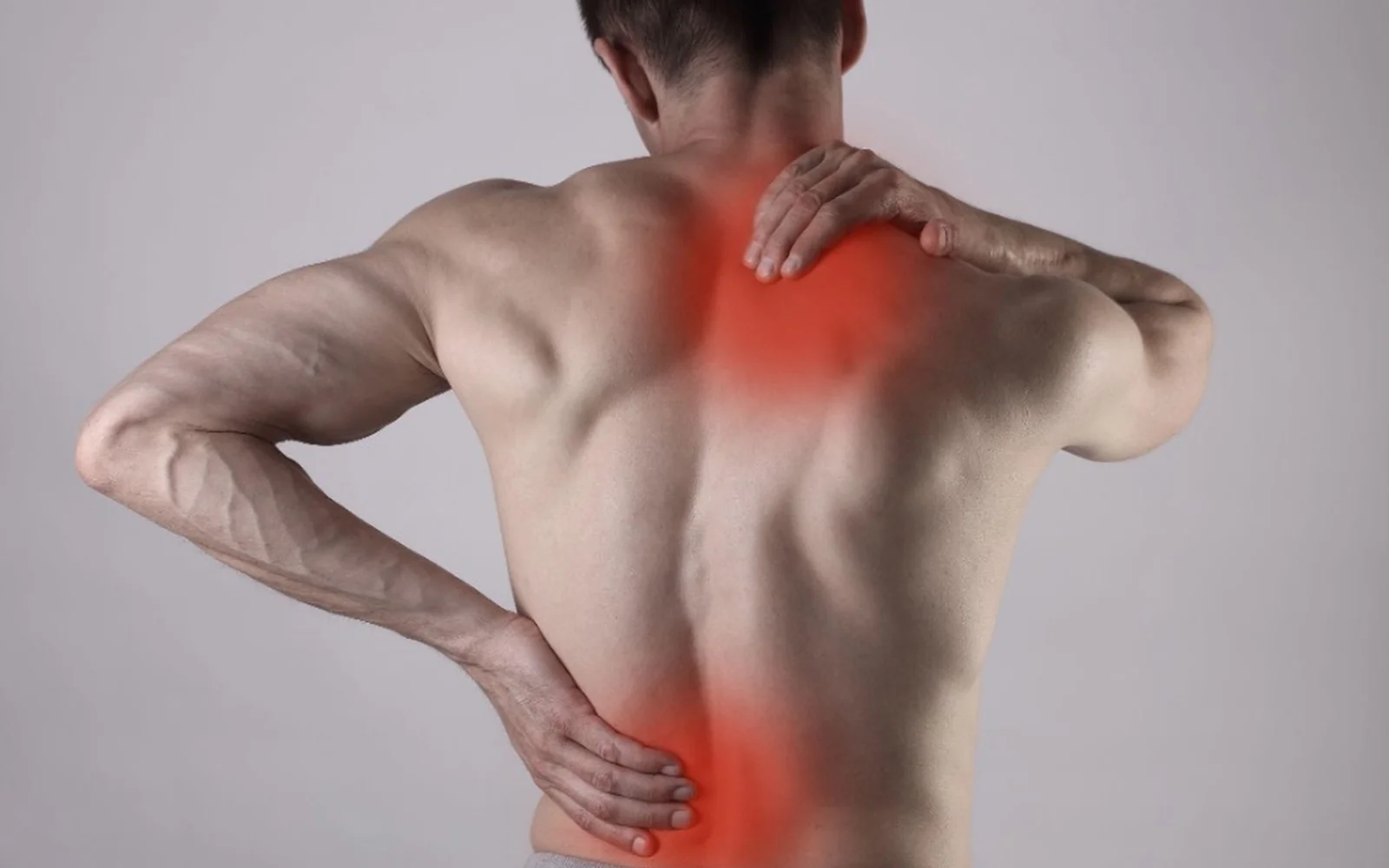
A muscle strain can be very painful and debilitating. Understanding the cause of muscle strains, what the treatment is and how to prevent them from happening again is important. This guide from the team at Dynamic Physical Therapy will help you go from amateur to pro in no time.
Common Causes of Muscle Strains
Check out the four most common causes of muscle strains:
- Not warming up properly before physical activity
- Performing warm-up exercises before engaging in more intense physical activity literally “warms up” the muscles, making them more flexible.
- Poor mobility and flexibility
- If you have poor mobility or flexibility, your muscles are tighter and become more susceptible to getting strained.
- Poor conditioning and lack of consistent activity
- If you start exercising again after taking a hiatus, make sure you ease back into it. Your muscles, which aren’t used to certain movements, will strain more easily if you push them too hard at first.
- Not using proper gear for exercises or not wearing appropriate footwear while walking /running
- Overexertion and fatigue
- Muscles experience soreness and weakening when you overexert yourself or become fatigued, making them more likely to strain during.
How to treat, identify, and recover from a pulled calf muscle?
A pulled or strained calf muscle affects the muscles and tendons in the back of the lower leg.
A person may feel pain in the:
- gastrocnemius muscle (upper mid calf)
- soleus muscle (lower deep calf)
- plantaris muscle (sole of foot)
- Achilles tendon ( back of heel)
A strain refers to an injured muscle or tendon. Tendons are the cords of tissue that connect muscles to bones. A strain occurs when the fibers of the muscle or tendon partially tear.
The symptoms of a pulled calf muscle vary depending on the severity of the injury. Mild muscle strain can cause pain that feels similar to post-workout soreness.
A severe strain can cause intense, even debilitating, pain that can make walking difficult or impossible until the muscle heals.
Other symptoms of a strained calf muscle include:
- swelling and redness
- difficulty moving the leg and decreased mobility
- weakness in the calf muscle
- pain, particularly when trying to move the muscle
What Are the Symptoms of a Pulled or Strained Neck Muscle?
Beyond suffering from a stiff neck, experiencing any of the following four symptoms might mean that you have a muscle strain in the neck.
- Pain in the back of the neck that worsens with movement
- Pain that peaks a day or so after injury, rather than immediately
- Muscle spasms in the shoulder and /or arm
- Headache in the back of the head
How To Know if You Pulled or Strained a Back Muscle
These six signs will tell you if you have a muscle pull or strain in either the upper or lower back
- Local swelling around the injured area
- Muscle spasms
- Intense and/or dull pain
- Pain with specific movements (i.e. moving the head or neck)
- Tightness or stiffness in the muscle
- Pain relief in resting positions
5 Effective Ways to Treat Muscle Strains
- Rest: Believe it or not, one of the best treatments for muscle strains is rest. Resting gives a strained muscle adequate time to heal before you engage in further physical activity.
- Apple Ice: Applying ice to a strained muscle for 20 to 30 minutes several times a day reduces swelling and numbs any pain you have.
- Take an over the counter (OTC) pain reliever or anti-inflammatory medication This will reduce uncomfortable pain and swelling.
- Perform gentle stretches and light exercises to promote blood flow
- Here are a few stretches and light exercises that can help promote blood flow:
- Gentle calf stretches with use of a towel
- Half Lunge
- Gentle bending on sides
- Downward dog posture
- Here are a few stretches and light exercises that can help promote blood flow:
- Attend Physical Therapy: If you still experience pain after trying the four treatment methods listed above, try seeing a physical therapist. Physical therapy exercises help stretch out and strengthen the strained muscle to help it return to full function.
The Best Ways To Prevent Muscle Strains
Here are six simple ways to prevent muscle strains.
- Warm-up before exercising
- Consistent exercising
- Stretch your muscles daily
- Don’t overexert yourself
- Eat high-potassium foods before exercising
- Keep yourself well hydrated during exercises
How long to heal?
A person should talk with their physical therapist about how long it will take to recover from the strain. Recovery time can vary based on:
- the grade or severity of the injury
- how well a person can rest the muscle
- a person’s adherence to the treatment plan
The average number of days a person has to sit out from a sport following a strain is about 1-2 weeks, with full recovery within 3-4 weeks. However, people with more severe injuries can take several months to fully recover.
When to contact a Physical Therapist?
Without treatment, a pulled muscle may recur or worsen over time.
Potential complications include:
- formation of scar tissue
- chronic pain or dysfunction in muscle
- compartment syndrome
- reinjury
- formation of deep vein thrombosis (DVT)
Therefore, a person should seek medical attention shortly after sustaining an injury and begin resting the muscle immediately.
Other reasons to consider seeking medical attention for a pulled calf muscle include:
- sustaining another significant injury
- having little success with at-home treatments, such as resting, applying an ice pack, or using OTC pain relievers
Find Muscle Relief at Dynamic Physical Therapy
As a family-owned and operated outpatient physical therapy clinic, Dynamic Physical Therapy is committed to providing personalized care that will improve your quality of life. With exceptional care and superior customer service, our physical therapists help patients in Queens and Nassau return to normal activities feeling stronger than ever before.
If you’re ready to experience lasting muscle relief, request an appointment at Dynamic Physical Therapy today.